
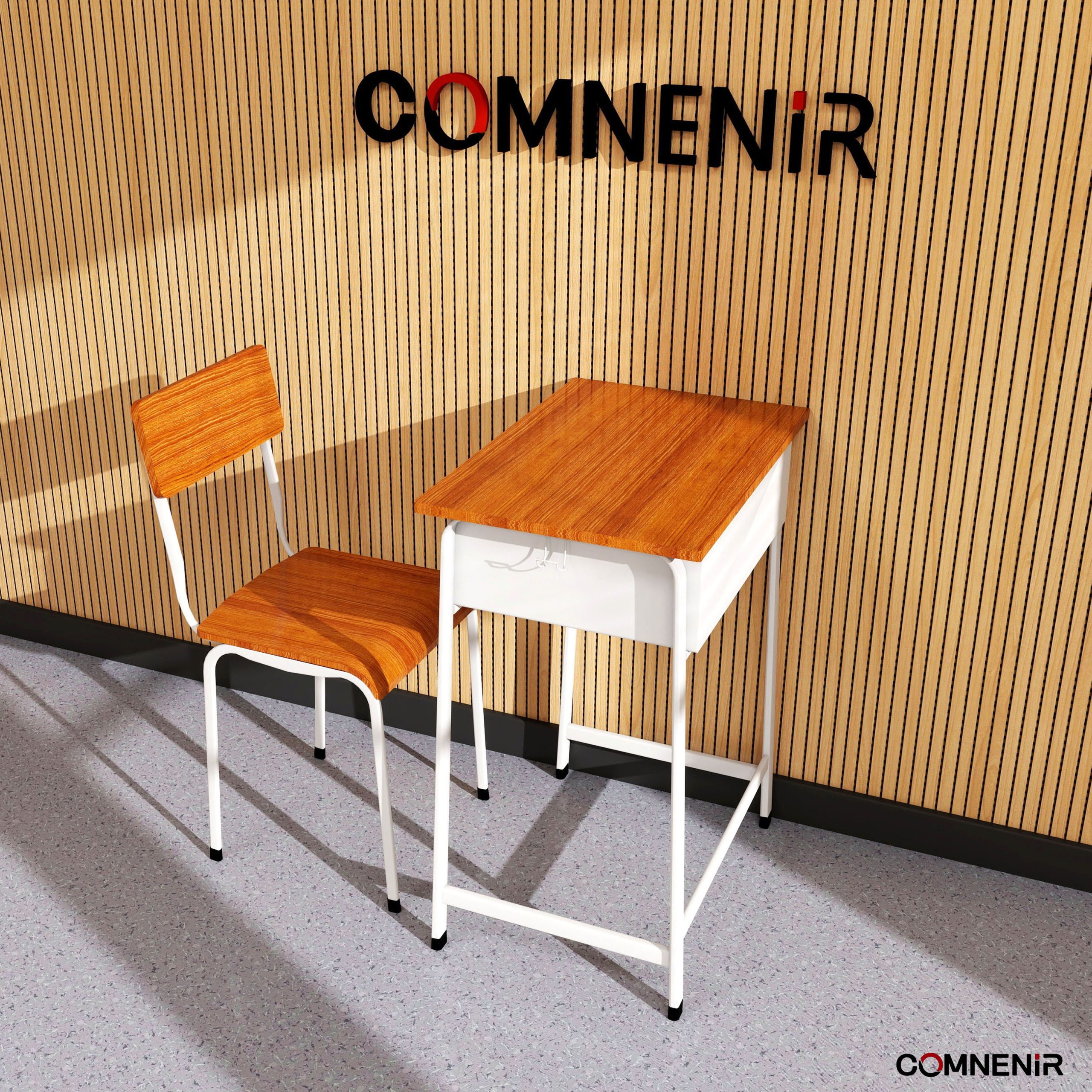
 In recent years, there has been a growing interest in using raw wood materials for school furniture, especially desks and chairs. This trend not only aligns with modern aesthetic preferences but also supports sustainability and enhances the learning environment. Raw wood furniture offers a timeless appeal, combining practicality with a natural, organic feel that contributes to the overall ambiance of educational spaces.
1. Aesthetic Value of Raw Wood
One of the most striking features of raw wood school furniture is its natural beauty. The unique grain patterns, variations in color, and textures of wood create a warm, inviting atmosphere in classrooms. Unlike mass-produced furniture made from synthetic materials, raw wood pieces can bring a sense of individuality to each classroom. The rustic appearance of raw wood conveys a sense of authenticity and simplicity, which many educators and students find inspiring.
The minimalist design of raw wood desks and chairs can complement a variety of interior styles, from traditional to modern, making it a versatile choice for schools. The earthy tones of wood contribute to a calm and focused learning environment, free from distractions often associated with overly bright or synthetic materials.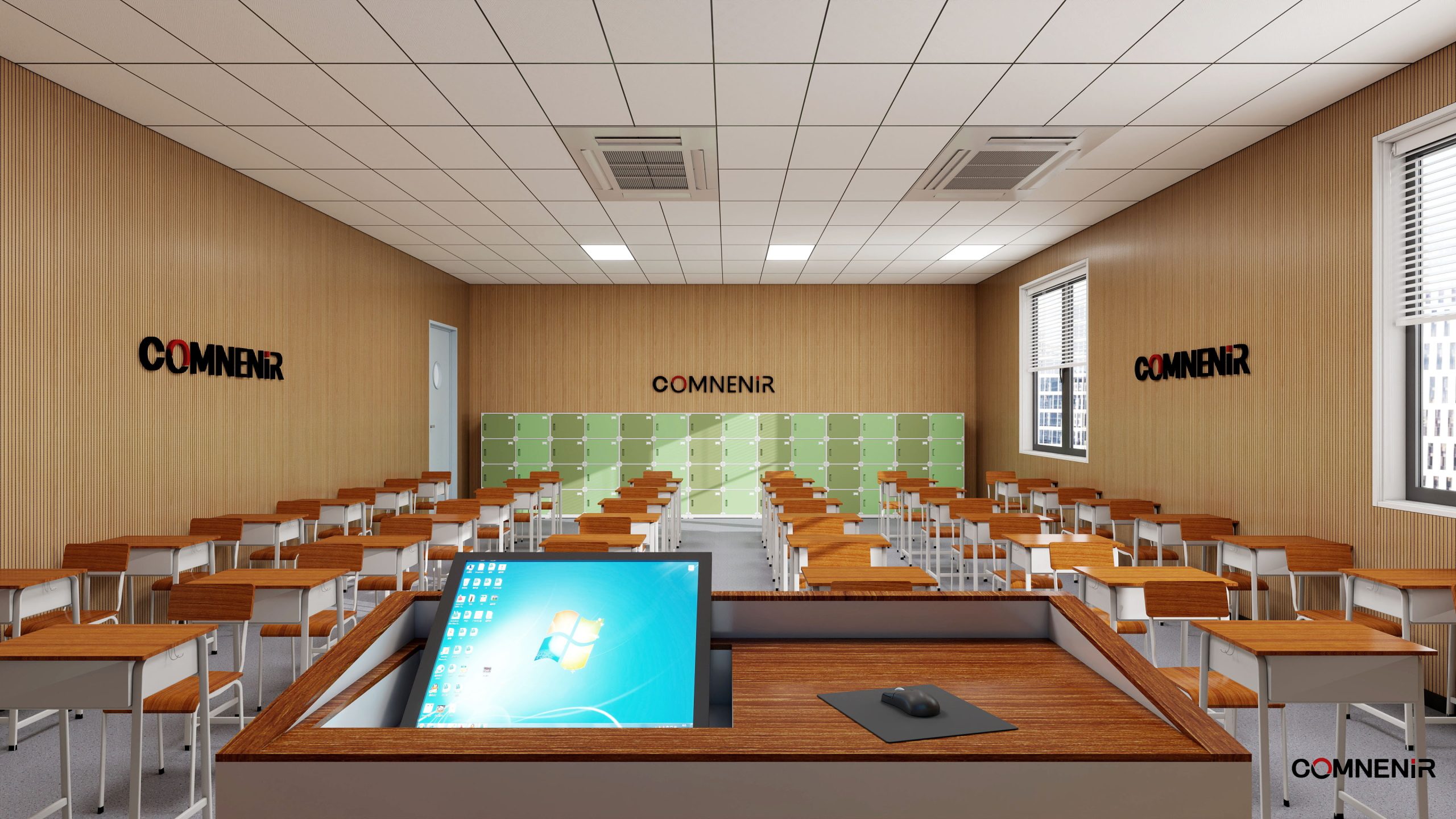
2. Durability and Longevity
Raw wood, when properly treated and maintained, is incredibly durable. Desks and chairs made from solid wood can withstand years of use, making them a long-term investment for schools. The strength of wood ensures that the furniture can handle the wear and tear associated with daily school life, from heavy books to restless students. Unlike plastic or metal alternatives, raw wood is less likely to chip or bend under pressure, making it a more resilient option for educational environments.
Additionally, wood can be refinished or repaired over time, allowing the furniture to maintain its functionality and appearance throughout the years. This durability reduces the need for frequent replacements, which is both cost-effective and environmentally friendly.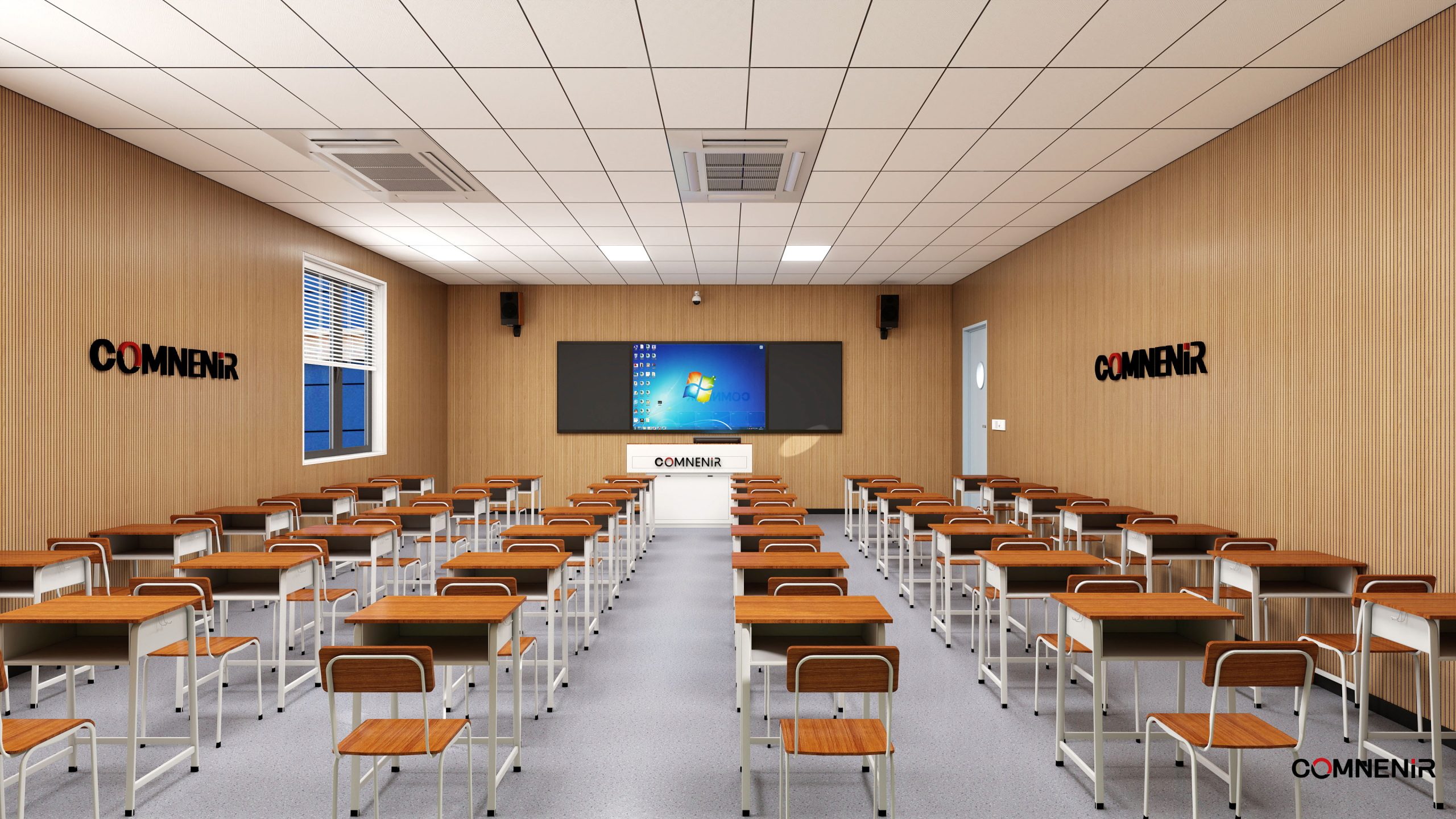
3. Environmental Sustainability
The use of raw wood in school furniture supports sustainability, as it is a renewable resource. Unlike plastic or synthetic materials, which are derived from petroleum and can take hundreds of years to decompose, wood is biodegradable and can be responsibly sourced from forests that are managed for long-term sustainability. By opting for raw wood furniture, schools can reduce their environmental impact and contribute to a greener future.
Moreover, many manufacturers of raw wood furniture focus on using eco-friendly production methods, such as non-toxic finishes and adhesives, further minimizing the ecological footprint. Some even use reclaimed or recycled wood, which helps reduce waste and prevents deforestation.
4. Health and Well-being
Research suggests that natural materials, such as wood, can have a positive impact on mental health and well-being. The presence of wood in indoor environments has been linked to reduced stress levels and increased feelings of calm. In a school setting, where students often experience high levels of stress and pressure, incorporating raw wood furniture can help create a more supportive and conducive atmosphere for learning.
Additionally, wood’s ability to regulate humidity levels in a room can contribute to improved indoor air quality. Unlike synthetic materials that can release harmful chemicals over time, raw wood is generally non-toxic and safe for use in schools.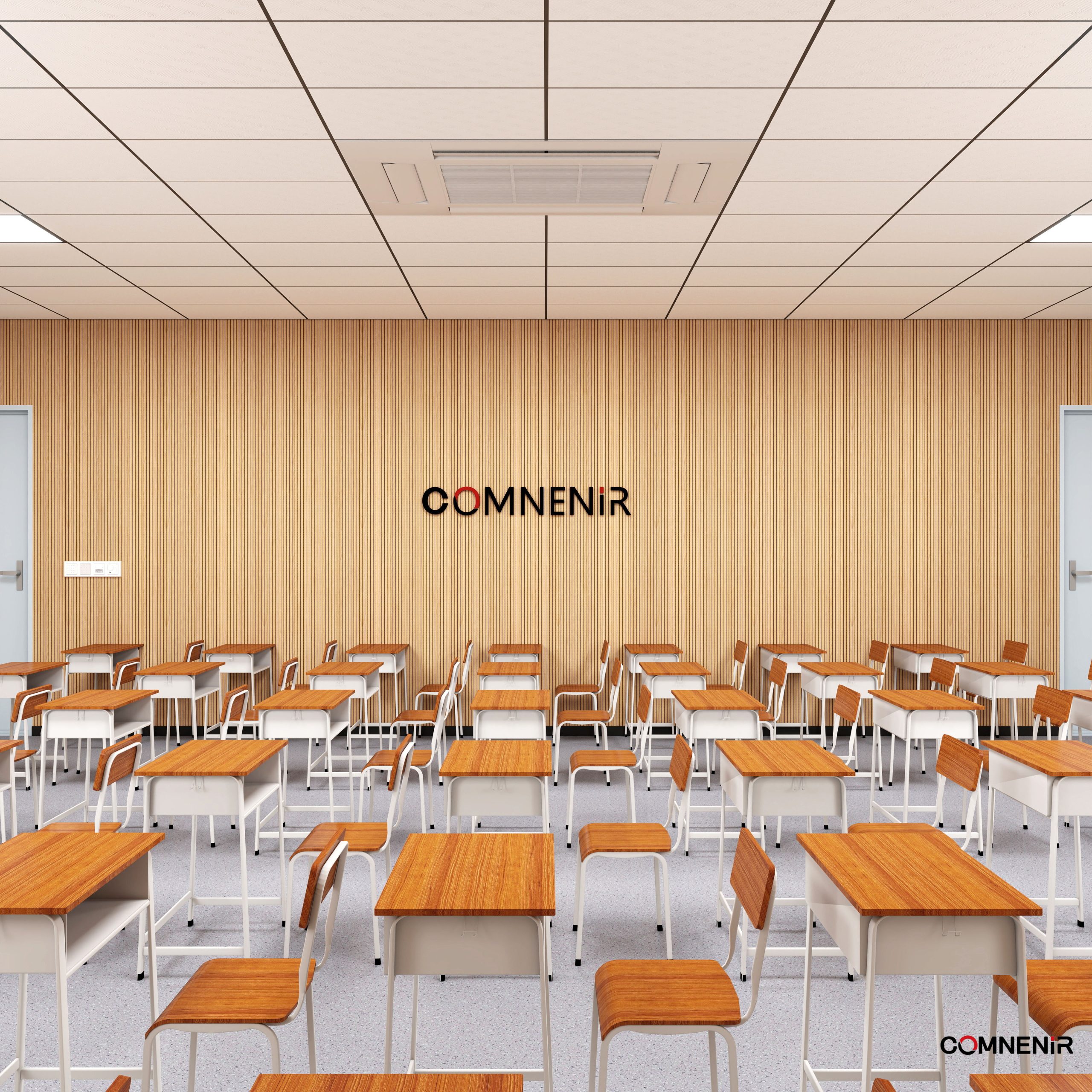
5. Customization and Versatility
Raw wood school furniture offers a degree of customization that mass-produced alternatives cannot match. Schools can choose from a variety of wood types, finishes, and designs to create furniture that best suits their specific needs. Whether it’s a more traditional design or a sleek, modern look, raw wood furniture can be tailored to fit the aesthetic and functional requirements of any educational institution.
Moreover, wood furniture can be adapted to accommodate different teaching styles. Desks can be designed to be adjustable, allowing for greater flexibility in seating arrangements, while chairs can be ergonomically shaped to promote better posture and comfort for students.
6. The Craftsmanship Behind Raw Wood Furniture
One of the defining aspects of raw wood furniture is the craftsmanship that goes into its creation. Skilled artisans carefully select the wood, shape it, and finish it with precision, ensuring that each piece is not only functional but also visually appealing. The attention to detail in the construction of raw wood desks and chairs adds a level of artistry that elevates the overall quality of the furniture.
In schools where hands-on learning and creativity are encouraged, raw wood furniture can also serve as a reminder of the value of craftsmanship and the importance of sustainable practices. It can spark discussions about the relationship between nature, design, and functionality, offering an educational experience beyond the traditional classroom curriculum.
Conclusion
Raw wood school furniture, particularly desks and chairs, offers a combination of aesthetic, functional, and environmental benefits that make it an appealing choice for educational institutions. With its durability, sustainability, and positive impact on well-being, raw wood furniture provides a long-lasting solution that supports both students and the planet. As schools continue to prioritize the creation of conducive learning environments, the use of raw wood in classroom furniture is sure to remain a popular and valuable option for years to come.
Plan your purchase
Compare classroom, dormitory and smart classroom options, then bring your quantities and delivery requirements together in one project brief.


 English
 Русский