
 School furniture plays an essential role in creating a comfortable and productive learning environment. Among the most fundamental pieces of school furniture are desks and chairs, which not only contribute to students’ comfort but also impact their concentration, posture, and overall well-being during school hours.
1. Ergonomics and Comfort
The primary goal of school desks and chairs is to support students’ physical needs. Since children and teenagers are constantly growing, it is crucial to have furniture that adapts to their body sizes. Ergonomically designed desks and chairs help maintain good posture, reducing the risk of back and neck pain that can result from prolonged sitting. Adjustable features, such as seat height and desk tilt, allow for personalization, ensuring that the furniture fits students’ varying body types and encourages healthy sitting positions.
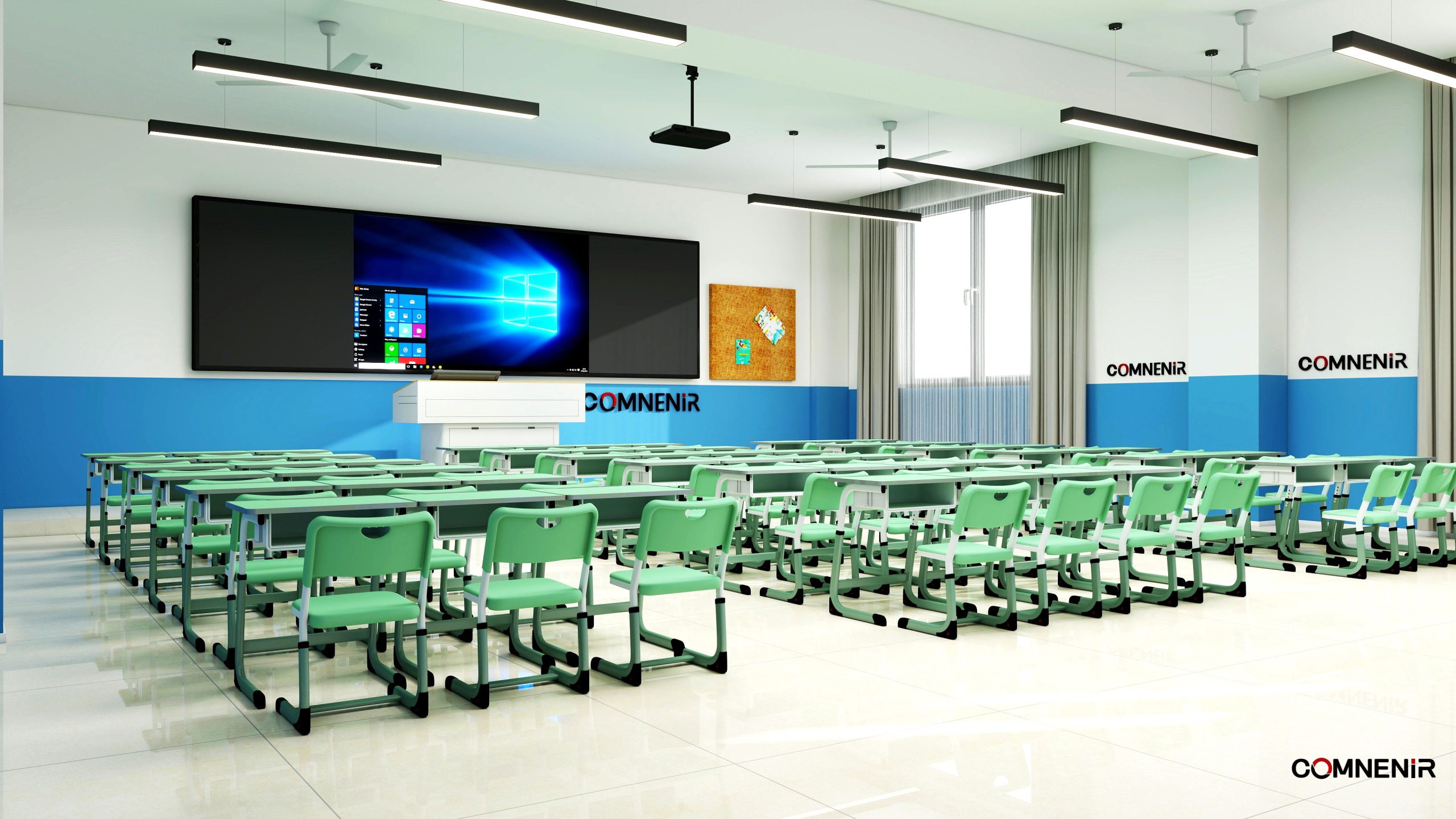
2. Functionality and Design
School desks and chairs should be designed with practicality in mind. Desks need sufficient surface area for books, writing materials, and electronic devices. Some desks include built-in storage, such as drawers or cubbies, to keep supplies organized and reduce clutter. Chairs should be sturdy and able to support long periods of sitting while being easy to move around for group activities or changing classroom setups.
The design of the furniture should also consider the learning environment. Bright colors and modern, appealing designs can create a more engaging atmosphere, fostering a positive attitude toward school. In recent years, there has been a trend toward flexible classroom furniture that can be rearranged to support different teaching methods, from traditional lectures to collaborative group work.
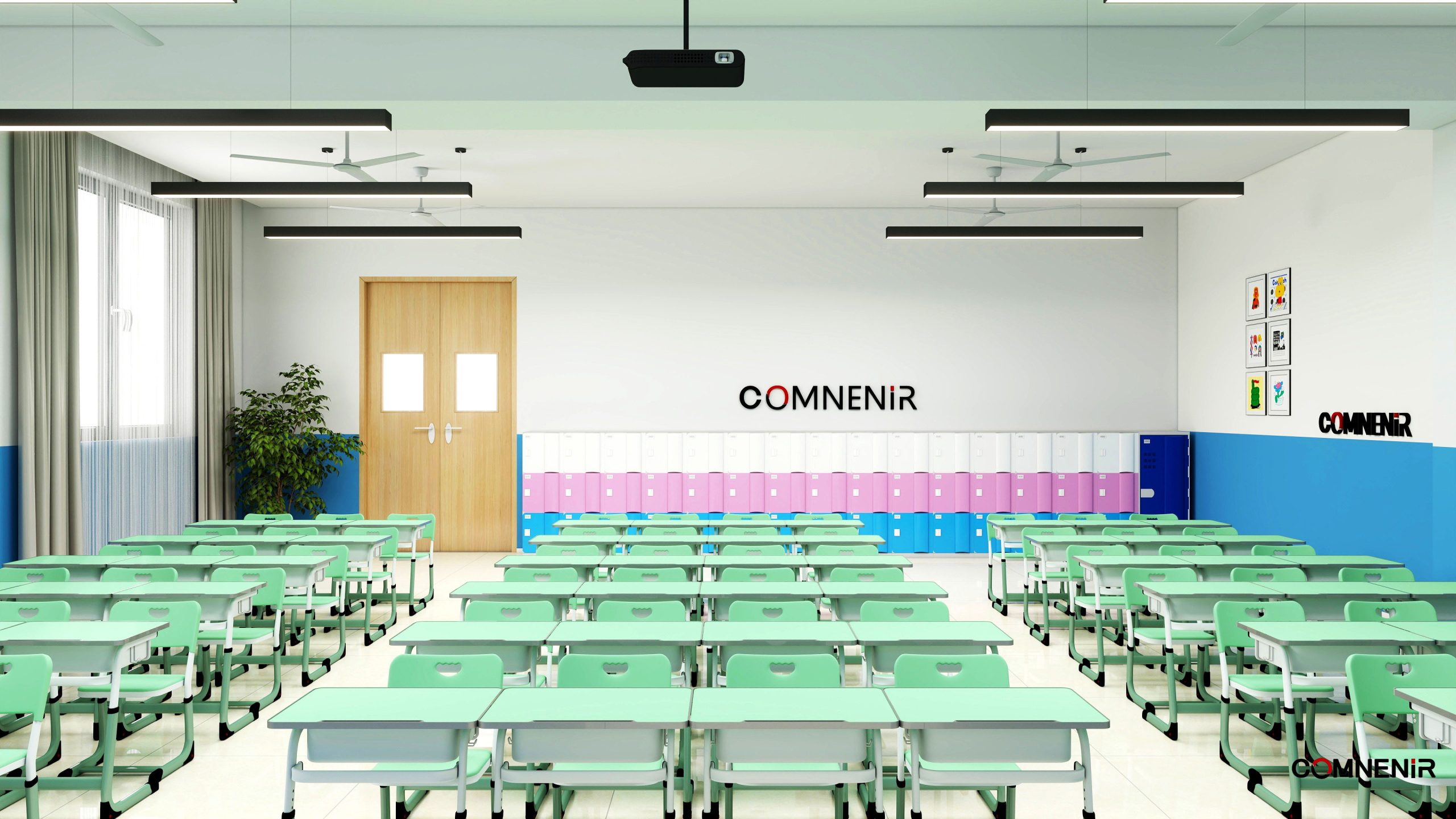
3. Durability and Safety
School furniture undergoes heavy daily use, so durability is a key factor in its design. Desks and chairs need to be made of robust materials that can withstand the wear and tear of active students. Metal frames, high-quality wood, and durable plastics are commonly used to ensure longevity. Additionally, safety is a priority—furniture should be free of sharp edges, be stable to prevent tipping, and meet safety standards to protect students.
4. Sustainability
As environmental concerns grow, sustainable and eco-friendly materials are becoming more popular in school furniture design. Manufacturers are increasingly using recycled materials, non-toxic finishes, and wood sourced from sustainable forests. This not only helps reduce the carbon footprint but also promotes environmental awareness among students.
5. Impact on Learning
The right school furniture can significantly affect student engagement and academic performance. When students are physically comfortable, they are better able to focus on lessons and participate actively in class discussions. A well-designed learning environment, with suitable desks and chairs, promotes creativity, collaboration, and a sense of belonging within the classroom.
Conclusion
In summary, school desks and chairs are more than just functional items—they are crucial components of the learning environment. When thoughtfully designed with comfort, functionality, durability, and safety in mind, these pieces of furniture can enhance students’ physical well-being, foster a positive learning atmosphere, and contribute to academic success. By investing in high-quality, ergonomic, and sustainable school furniture, schools can create spaces that inspire both learning and creativity.


 English
 Русский