
The Design and Benefits of Tiered Seating in Classrooms
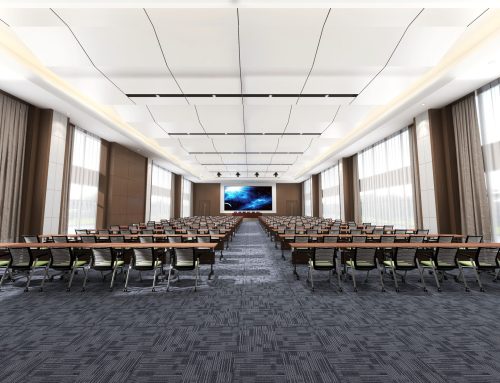
 In modern education, classroom design plays a crucial role in shaping the learning environment and influencing students’ experiences. One significant design feature that has gained popularity in recent years is tiered seating, often found in lecture halls and specialized classrooms. Tiered seating refers to a seating arrangement where rows of seats are arranged at different heights, typically rising in the back of the room, allowing all students to have an unobstructed view of the front. This design is often used in large classrooms, auditoriums, and lecture theaters.
1. Improved Visibility and Engagement
One of the primary benefits of tiered seating is improved visibility. In traditional flat-seating classrooms, students sitting at the back of the room may have difficulty seeing the instructor or the visual aids, such as a whiteboard, projector, or screen. In tiered seating arrangements, however, each row is positioned higher than the one in front, ensuring that students seated at the back have a clear line of sight to the front of the classroom. This visual clarity can significantly improve student engagement, as all learners, regardless of where they sit, can fully participate in the lesson.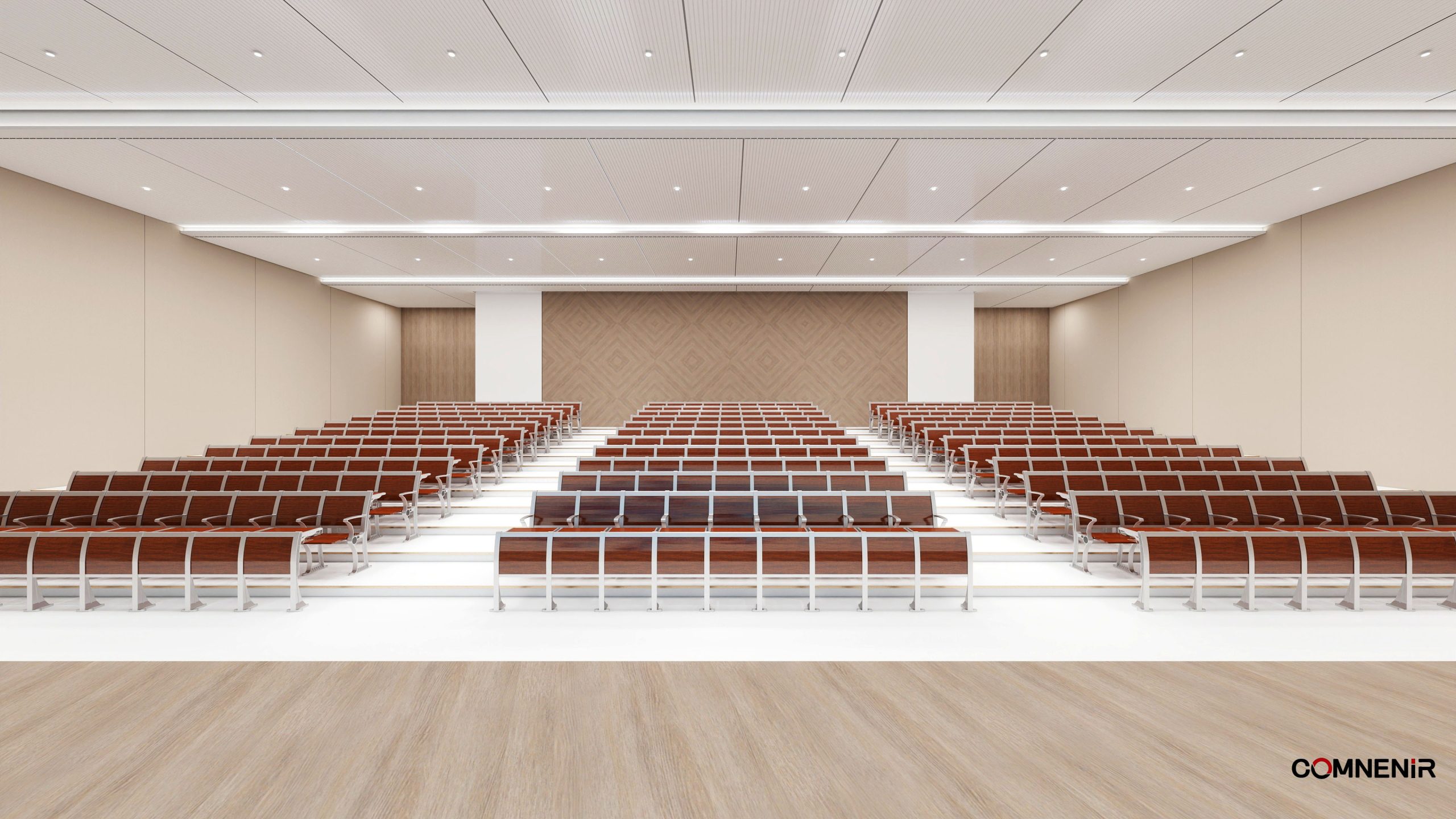
2. Better Acoustics
Another advantage of tiered seating is its contribution to better acoustics in the classroom. In rooms without tiered seating, sound may dissipate unevenly, making it harder for students sitting farther away from the instructor to hear clearly. The sloped seating arrangement in tiered classrooms helps sound travel more effectively, allowing students in the back rows to hear the lecturer without strain. This is especially important in large lecture halls where sound distribution can be a challenge.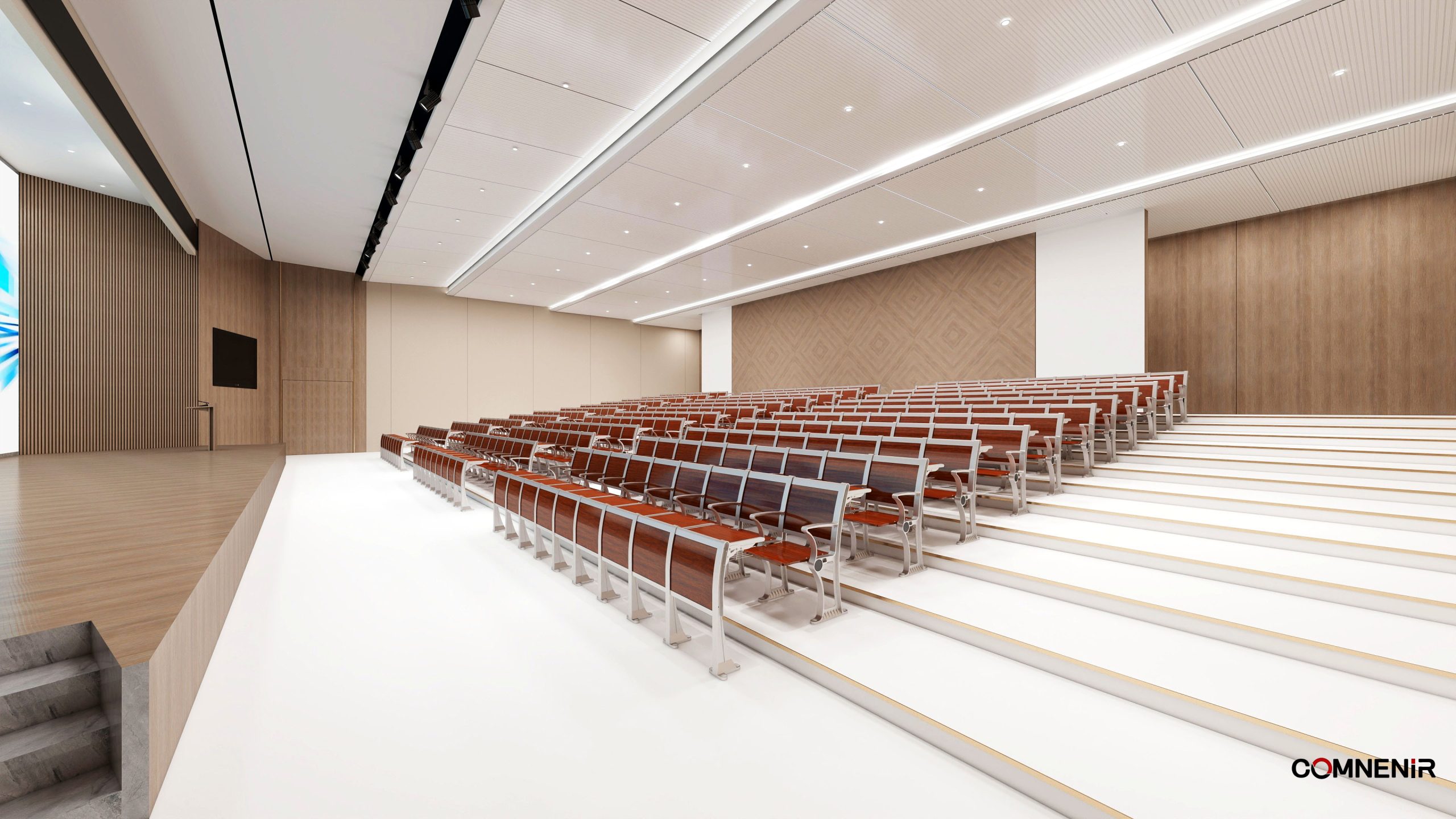
3. Enhanced Interaction and Group Discussions
While tiered seating is often associated with lecture-based formats, it can also enhance interaction in smaller classrooms. With a clear view of the instructor and peers, students are more likely to feel comfortable engaging in discussions and asking questions. Furthermore, in classrooms designed with flexible seating, the tiered setup can facilitate collaborative learning experiences, such as group work or class debates, where students can easily interact with each other while still maintaining visibility of the instructor.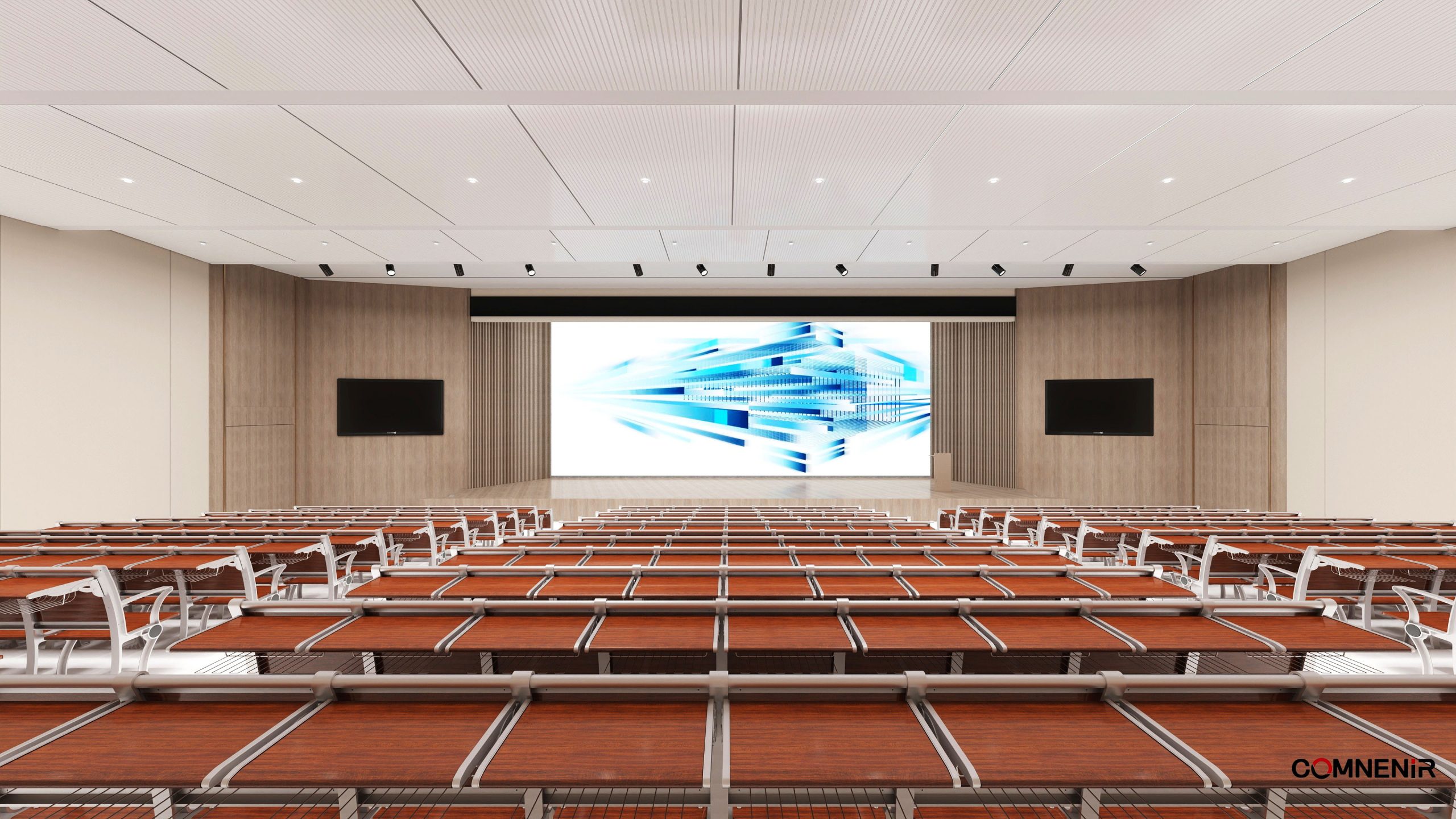
4. Maximizing Space Utilization
Tiered seating also allows for more efficient use of space in large classrooms. By stacking the rows vertically, more students can be accommodated in a smaller physical area, which is particularly valuable in institutions where space is limited or in auditoriums with high seating capacity. This configuration also often makes room for additional features such as wider aisles or designated areas for group activities and student movement.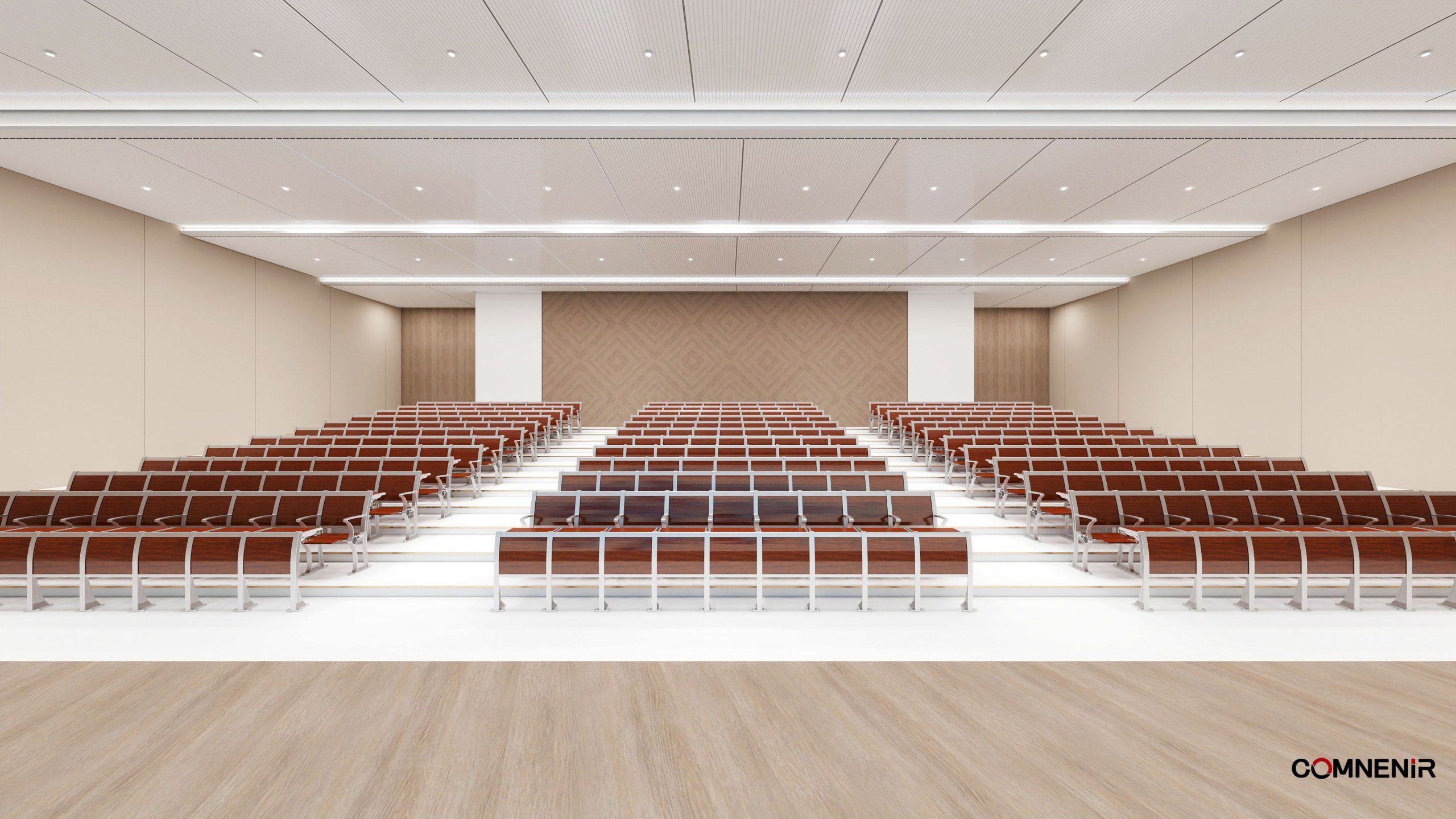
5. Promoting a Sense of Equality
In some ways, tiered seating can promote a sense of equality within the classroom. As the seating arrangement ensures that every student has a clear view of the instructor and the materials being presented, it can help reduce distractions that arise from poor sightlines. This equality of experience helps students focus more on the content and less on their position in the room. Whether sitting in the front or the back, each student has an equal opportunity to engage with the lesson.
Challenges and Considerations
While tiered seating offers many benefits, it also presents some challenges. For example, tiered classrooms can be difficult to navigate for students with physical disabilities or those who have trouble accessing higher rows. To address this, universities and schools should ensure that tiered classrooms are designed with accessibility in mind, offering options like ramps or lifts for students with mobility needs.
Additionally, tiered seating can sometimes create a more passive learning environment, where students are more likely to listen to the lecturer without actively participating. Educators must be conscious of this and incorporate interactive teaching methods to maintain student engagement, even in large lecture settings.
Conclusion
Tiered seating is a design feature that can greatly enhance the learning experience by improving visibility, acoustics, and space utilization. Whether in large lecture halls or smaller specialized classrooms, this arrangement supports student engagement and interaction while fostering a sense of equality among learners. However, careful attention must be given to accessibility and teaching methods to ensure the best possible educational outcomes.


 Русский
 English