
Adjustable Height Desks and Chairs: The Future of Comfortable and Ergonomic Learning
In recent years, adjustable height desks and chairs have gained significant popularity in schools, workplaces, and home offices. These versatile furniture pieces are designed to promote comfort, enhance productivity, and support overall health and well-being. Whether in a classroom, a study room, or an office setting, adjustable desks and chairs offer a range of benefits for people of all ages and body types.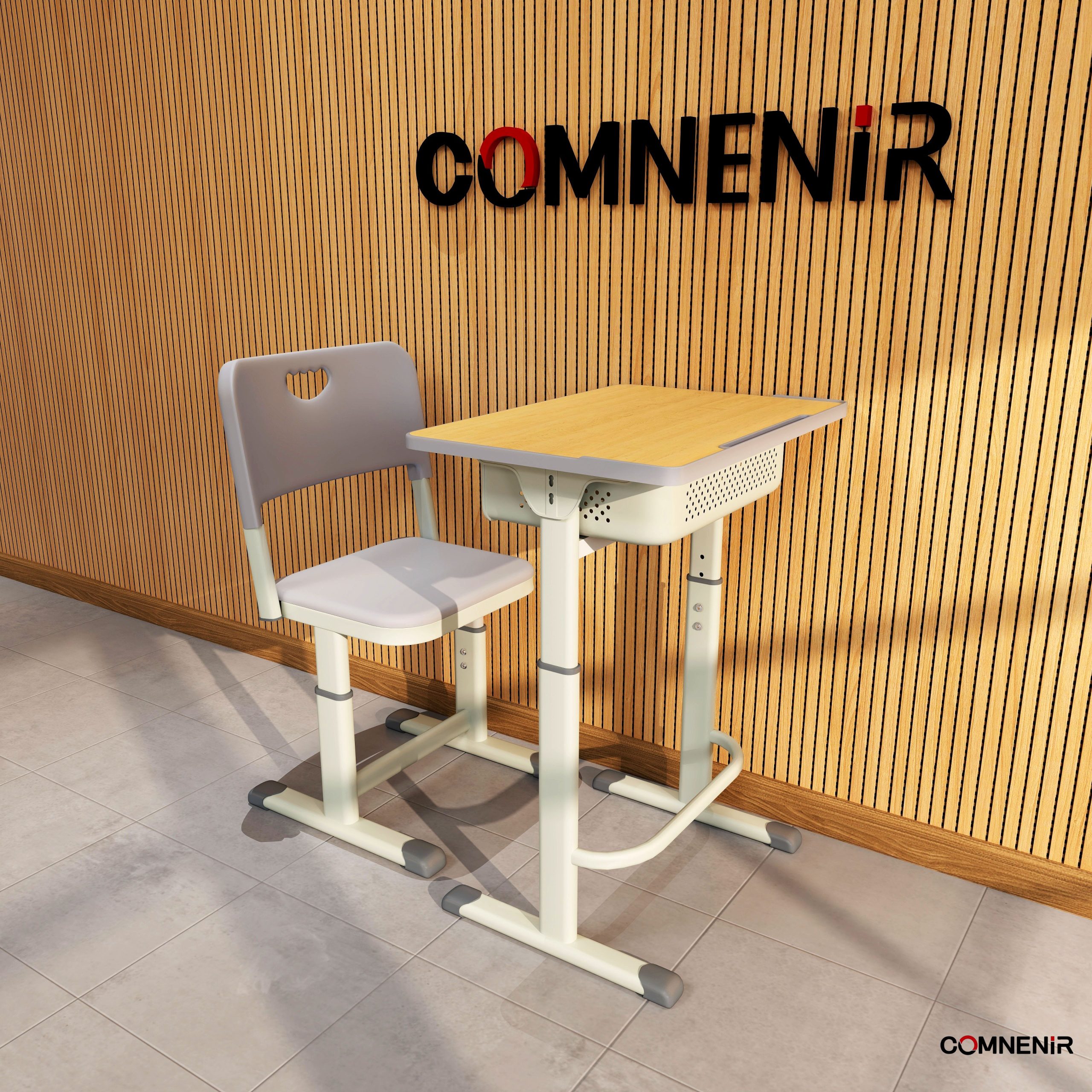
The Importance of Ergonomics in Learning Environments
The need for ergonomic furniture in educational settings cannot be overstated. Students spend long hours sitting at desks, and improper posture can lead to a range of physical problems, including back pain, poor circulation, and eye strain. Adjustable desks and chairs address these issues by allowing users to easily customize their seating positions, ensuring that they can maintain a healthy posture throughout the day.
Adjustable height desks enable students to alternate between sitting and standing, reducing the risks associated with prolonged sitting. This flexibility is particularly beneficial for younger students, whose growth and development require regular changes in posture and movement. By allowing students to switch positions, adjustable desks help improve focus, reduce fatigue, and foster better engagement with learning materials.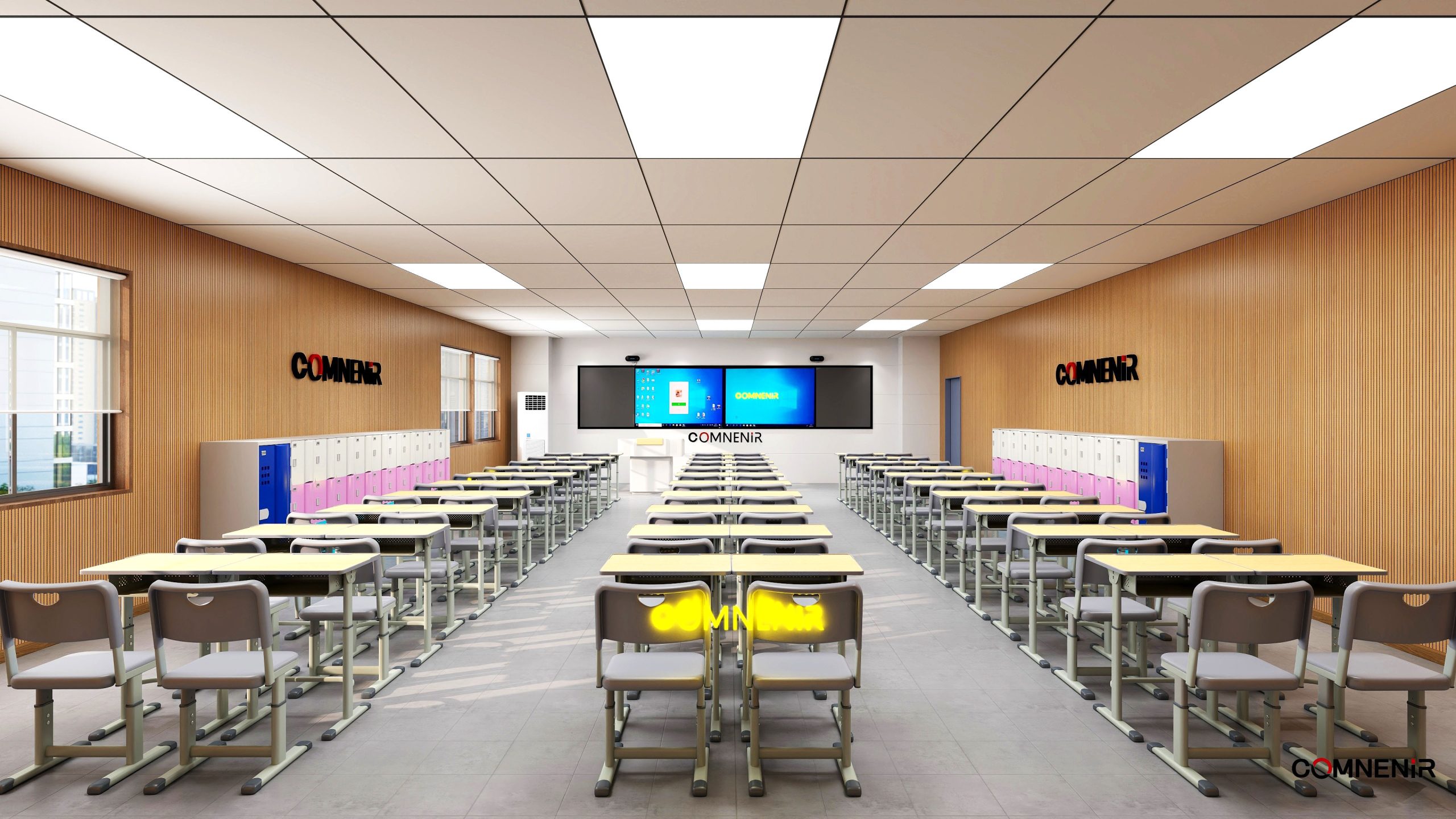
Key Features of Adjustable Height Desks and Chairs
- Height Adjustability: The primary feature of these desks and chairs is their ability to be easily adjusted in height. This means that the furniture can grow with the user, making it suitable for both children and adults. The desks and chairs typically have a manual or motorized mechanism for adjusting the height, ensuring ease of use.
- Ergonomic Design: Adjustable desks and chairs are designed to support the body in a natural, ergonomic posture. With proper back support and seat depth, they encourage healthy sitting habits and reduce strain on the spine. Many models also come with armrests and footrests, further enhancing comfort.
- Flexibility and Mobility: Some models of adjustable desks feature rolling wheels, allowing users to move the furniture around easily. This flexibility is particularly useful in classrooms or home offices where space may need to be rearranged.
- Durability: Quality adjustable desks and chairs are made from durable materials, ensuring they can withstand daily use over an extended period. Many come with safety features, such as locking mechanisms to prevent the desk or chair from accidentally shifting while in use.
Benefits of Adjustable Height Desks and Chairs
- Improved Health and Comfort: One of the most significant advantages of adjustable height furniture is its ability to promote better posture. By allowing users to adjust the height to their personal comfort level, these desks and chairs reduce the risk of musculoskeletal problems and improve overall health. Students, in particular, benefit from the ability to switch between sitting and standing, which reduces the negative effects of prolonged sitting.
- Enhanced Focus and Productivity: When students or workers are comfortable, they are more likely to stay focused and engaged. Adjustable desks and chairs can help reduce distractions caused by discomfort, allowing individuals to concentrate better on their work or studies.
- Support for Active Learning: Adjustable desks and chairs are particularly beneficial for modern, active learning environments. They allow for movement, collaboration, and flexibility in how students engage with each other and the material. The ability to stand or move around can contribute to a more dynamic and interactive learning experience.
- Future-Proofing: Since adjustable desks and chairs can be tailored to fit the user’s height and preference, they are adaptable for different ages and stages of development. This makes them a worthwhile investment that can be used for many years, even as a child grows or as work habits change.
Conclusion
Adjustable height desks and chairs are more than just functional pieces of furniture—they are tools that support a healthier, more productive lifestyle. By promoting ergonomic practices, encouraging movement, and providing personalized comfort, they have the potential to transform learning and working environments. Whether for children in the classroom, employees in the office, or anyone working from home, adjustable desks and chairs are an investment in health, productivity, and well-being. As awareness of the importance of ergonomics grows, these versatile pieces of furniture are poised to become a standard feature in educational and professional settings worldwide.


 Русский
 English