
For many years, **price** was the primary decision factor in school furniture procurement.
However, as planning for 2026 begins, more buyers are realizing that
**the lowest price does not mean the lowest risk**.
Based on real project experience, several clear changes are shaping school furniture procurement.
—
### 1. Decision-Making Shifts from Fast to Stable
In the past, buyers focused on quick comparisons and fast orders.
Now, procurement emphasizes:
* Multiple communication rounds
* Product and specification confirmation
* Delivery and execution capability assessment
Decisions take longer, but risks are reduced.
—
### 2. Delivery Reliability Takes Priority
Instead of focusing only on price, buyers now care more about:
* On-time delivery performance
* Peak-season delay risks
* Clear and controllable lead times
For school projects,
**delivery delays often cost more than price differences.**
—
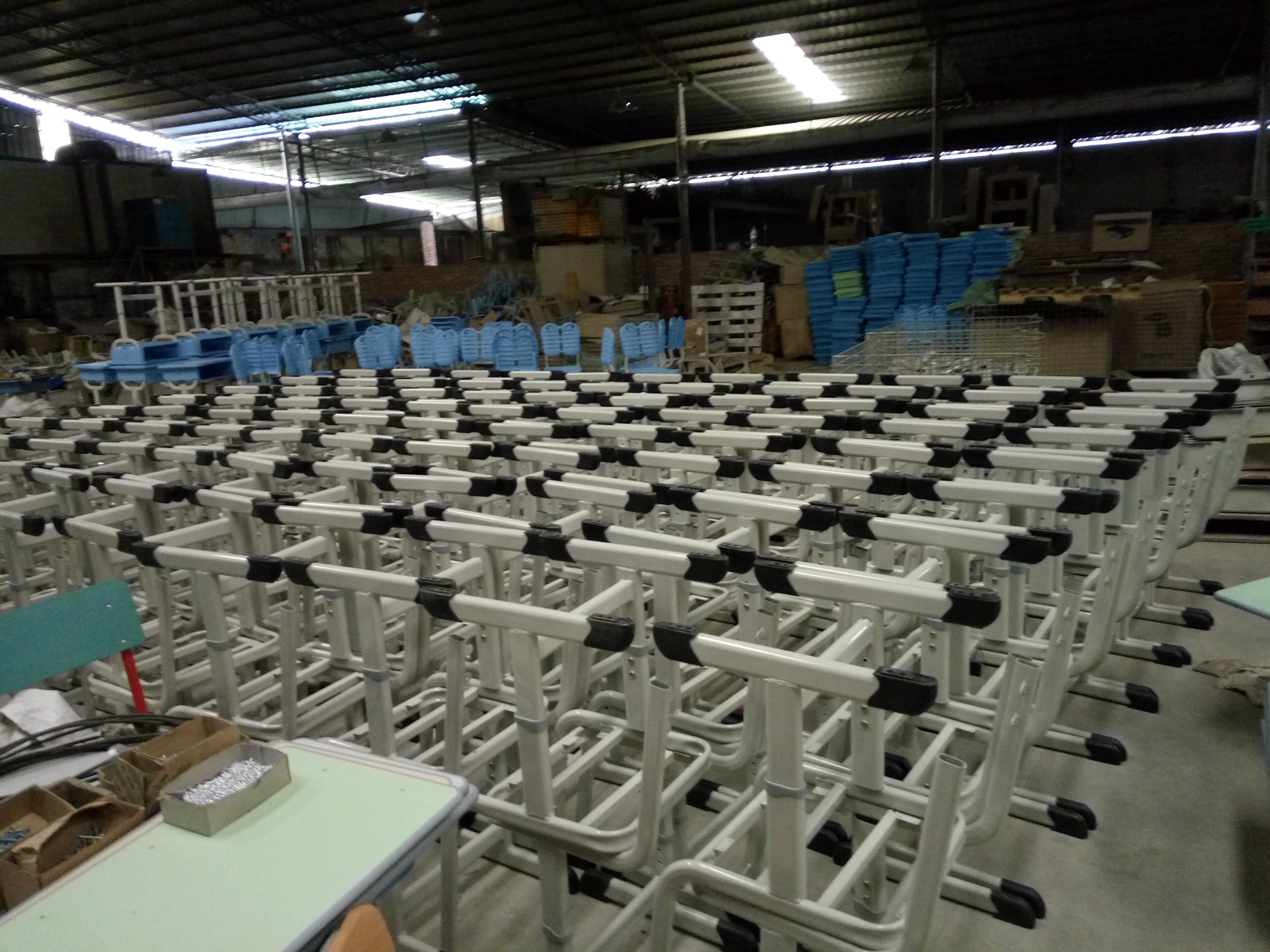
### 3. Consistent Quality Matters More Than Appearance
Buyers increasingly value:
* Batch consistency
* Product durability
* Ease of maintenance and after-sales support
One quality issue can affect an entire project.
—
### 4. Communication Efficiency Becomes a Hidden Cost
In international procurement, communication is often underestimated:
* Response speed
* Clarity of information
* Accountability in problem-solving
Efficient communication is now seen as a key part of successful procurement.
—
### 5. Long-Term Supplier Value Is Re-evaluated
For 2026 and beyond, buyers look beyond single orders and consider:
* Supplier reliability
* Long-term supply capability
* Partnership potential
This is why more projects choose
**experienced and stable manufacturers**.
—
### Conclusion: Price Still Matters, but It’s No Longer the Only Factor
Price remains important, but in 2026 school furniture procurement,
it is no longer the sole decision criterion.
**Delivery, quality, communication, and reliability**
are now equally critical.
If you are planning school furniture procurement for 2026,
evaluating these factors early can significantly reduce project risk.
 Русский
 English