
For schools, governments, and educational institutions, furniture is not just a purchase—it’s a long-term investment.
👉 **Durability determines your real cost.**
Many buyers focus only on price, but ignore a key question:
**Why do some desks last 3 years, while others last 10?**
—
## **1. Material Matters**
The foundation of durability is the material.
### **Recommended materials:**
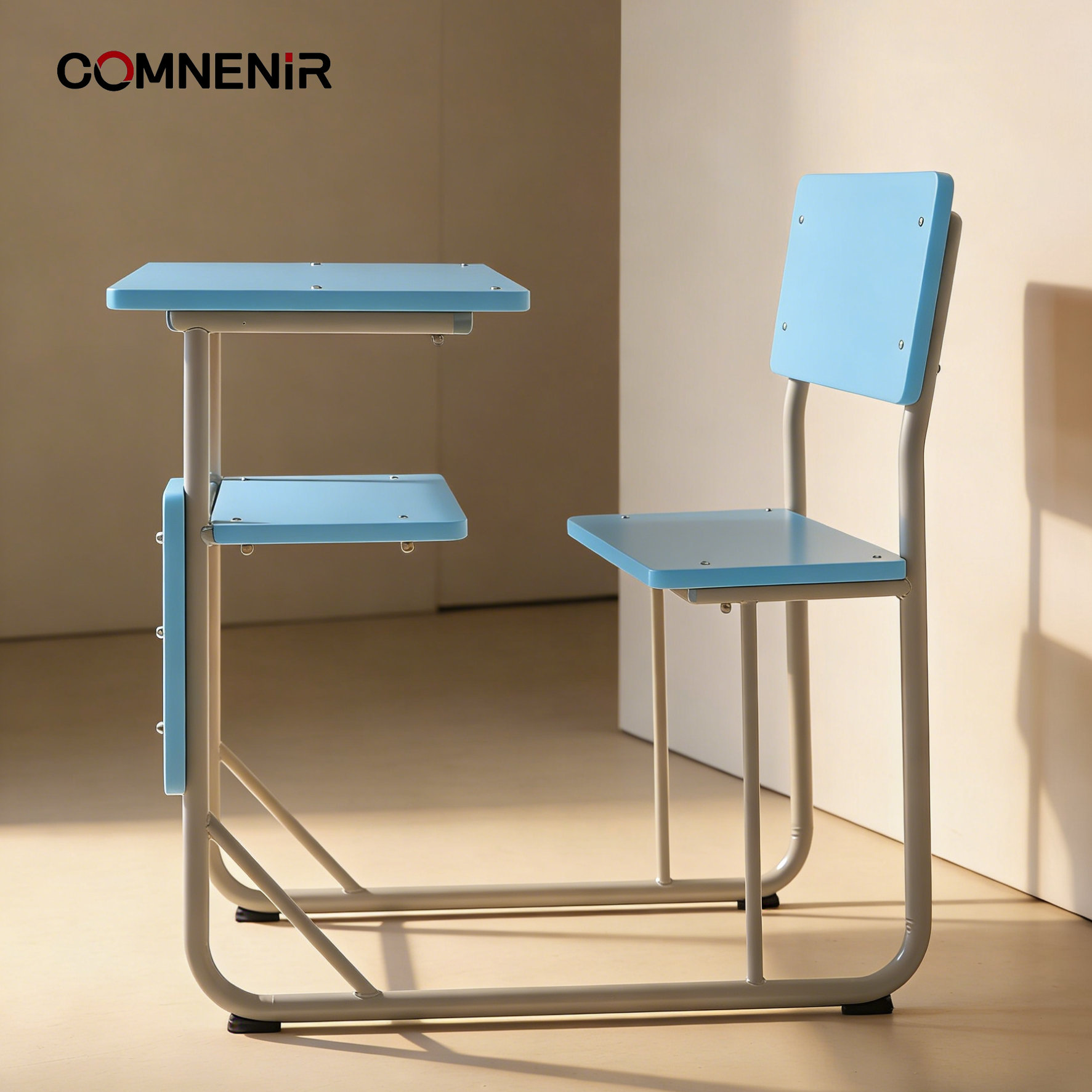
* ✔ Cold-rolled steel frames
* ✔ High-density boards
* ✔ Impact-resistant plastic
👉 Low-quality materials = higher maintenance cost
—
## **2. Structural Design**
Even good materials can fail if the structure is weak.
### **Check for:**
* Strong welding
* Reinforced frame
* Anti-shake design
👉 A solid structure can increase lifespan by 50%+
—
## **3. Surface Treatment**
Many failures happen on the surface, not inside.
### **Key features:**
* ✔ Powder coating (anti-rust)
* ✔ Scratch-resistant finish
* ✔ Waterproof treatment
👉 Especially important in humid environments
—
## **4. High-Usage Durability**
School furniture must withstand intensive daily use.
### **Make sure:**
* It passes durability tests
* Suitable for large classrooms
* Designed for long-term use
👉 School furniture ≠ home furniture
—
## **5. Supplier Experience**
Choosing the right supplier is just as important as choosing the product.
### **Look for:**
* ✔ Export experience
* ✔ School project references
* ✔ Full solution capability
👉 Experienced suppliers reduce risk
—
## **Comnenir Advice**
As a professional manufacturer, we recommend:
👉 Focus on **lifecycle cost**, not unit price
👉 Choose **solution providers**, not just sellers
We have supplied durable school furniture to global markets including Asia, Africa, and South America.
—
## **Conclusion**
Cheap furniture is often the most expensive.
Durable furniture saves you money in the long run.
👉 **Choose right, use for 10 years.**
 English
 Русский