
 In modern educational settings, the integration of technology with physical spaces plays a crucial role in enhancing the learning experience. One such space that benefits greatly from this synergy is the multimedia classroom, which combines traditional learning environments with advanced digital tools. A key feature of these classrooms is the conference table, a pivotal piece of furniture that fosters collaboration, discussion, and engagement among students and instructors.
The Role of the Conference Table in Multimedia Classrooms
The conference table in a multimedia classroom serves as a central hub where interactions take place. Its design, size, and functionality are essential in supporting various teaching and learning activities. Unlike traditional classrooms with rows of desks, the multimedia classroom aims to create a dynamic, interactive environment, where students can collaborate, exchange ideas, and participate in group discussions. The conference table, often situated in the center or at the front of the room, facilitates these interactions and serves as a focal point for collective learning.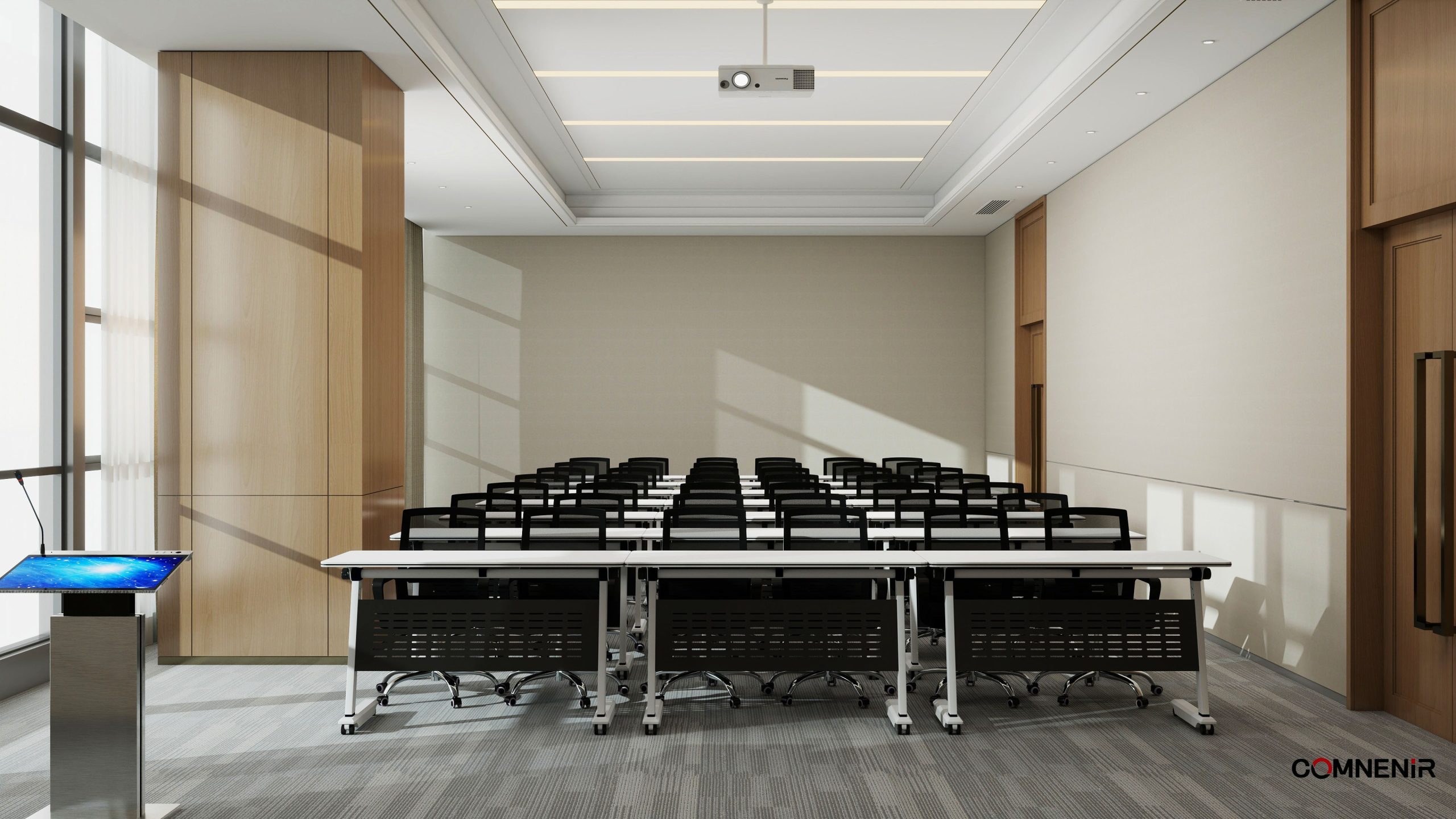
Design Considerations for the Conference Table
When designing a conference table for a multimedia classroom, several factors need to be considered to ensure that it complements the overall functionality of the space. First, the size of the table should accommodate the number of students expected to participate in group activities. In many multimedia classrooms, these tables are large enough to seat multiple students comfortably while allowing for easy interaction and communication.
The shape of the table is also an important consideration. Round or oval tables are often preferred because they encourage equal participation and create a sense of inclusivity. These shapes break down the hierarchical structure often seen in traditional classroom setups, allowing students and instructors to engage more freely.
Furthermore, the table should be equipped with integrated technology to enhance the learning experience. This may include built-in screens for group presentations, electrical outlets for charging devices, or even interactive touch surfaces that allow students to share content and collaborate in real-time. These features not only improve the functionality of the space but also encourage students to actively participate in discussions and projects.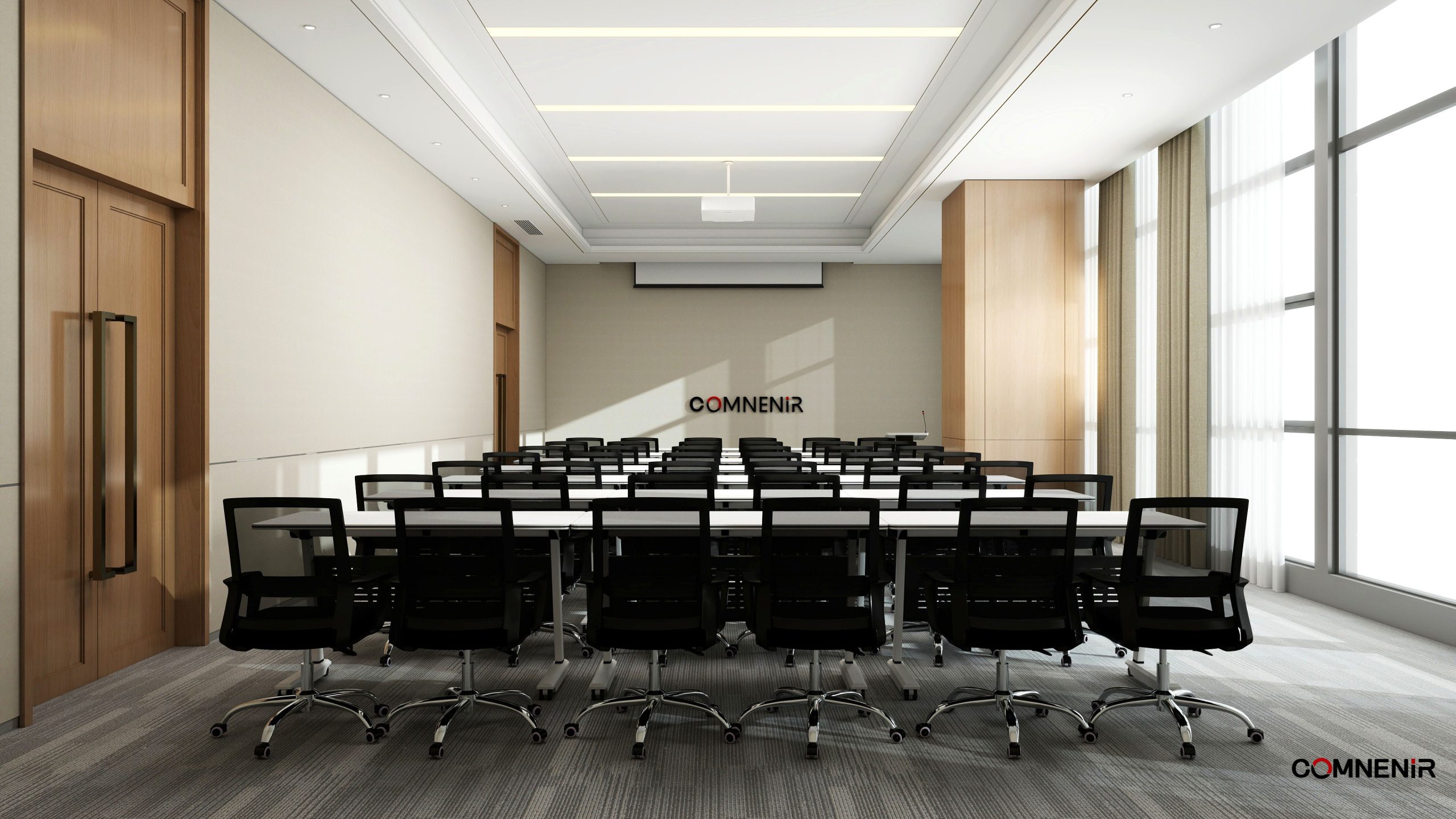
The Conference Table as a Collaborative Tool
One of the key advantages of a conference table in a multimedia classroom is its role in fostering collaboration. Modern classrooms are no longer spaces where students passively receive information from a lecturer; instead, they are designed to be interactive environments where students actively contribute to the learning process. The conference table serves as an ideal platform for brainstorming sessions, problem-solving activities, and group projects.
The multimedia aspect of the classroom also supports collaboration in new ways. With the ability to connect laptops, tablets, or smartphones to central displays, students can share their work with the entire group in real-time, offering instant feedback and exchanging ideas. Whether it’s presenting a research project, discussing a case study, or brainstorming solutions to a problem, the conference table becomes an essential tool for cooperative learning.
Conclusion
In conclusion, the conference table in a multimedia classroom is much more than just a piece of furniture; it is a critical element in shaping the learning environment. By promoting collaboration, encouraging interaction, and integrating technology, it enhances the educational experience for both students and instructors. As education continues to evolve, the conference table will undoubtedly remain a central feature of multimedia classrooms, helping to foster a more engaging, participatory, and dynamic learning atmosphere.
Join our newsletter
Volutpat vel turpis nulla lorem sed semper. Aliquam sagittis sem libero viverra vehicula nullam ut nisl.


 English
 Russian