
The Application of Multimedia Integrated Systems in School and Commercial Spaces
In today’s world, multimedia integrated systems have become an essential part of both educational and commercial environments. These systems, which combine audio, video, and interactive technology, help create more dynamic, engaging, and productive spaces. As technology continues to evolve, the use of multimedia systems in schools and commercial spaces is revolutionizing how people learn, work, and interact.
Multimedia Systems in Schools
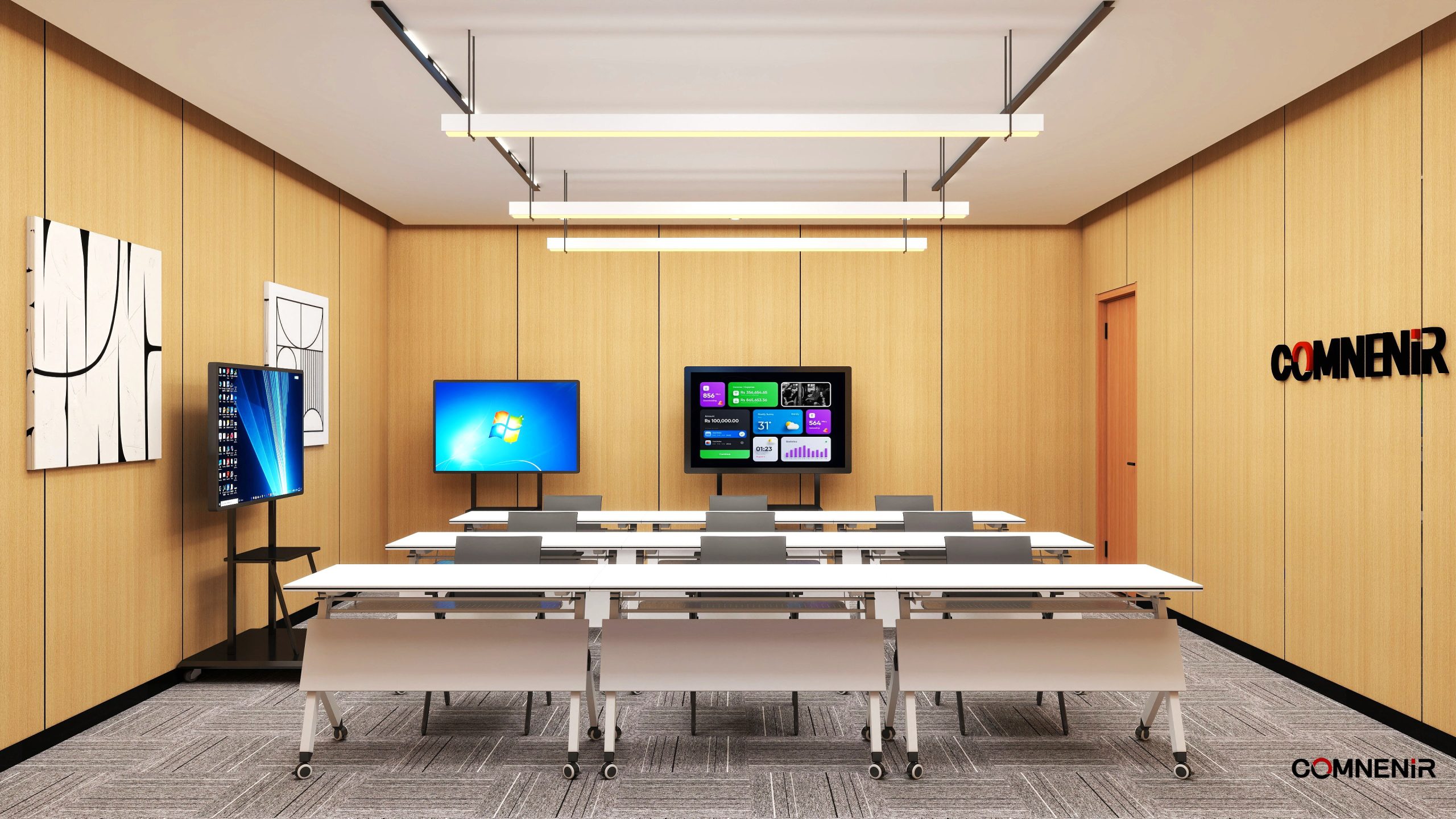
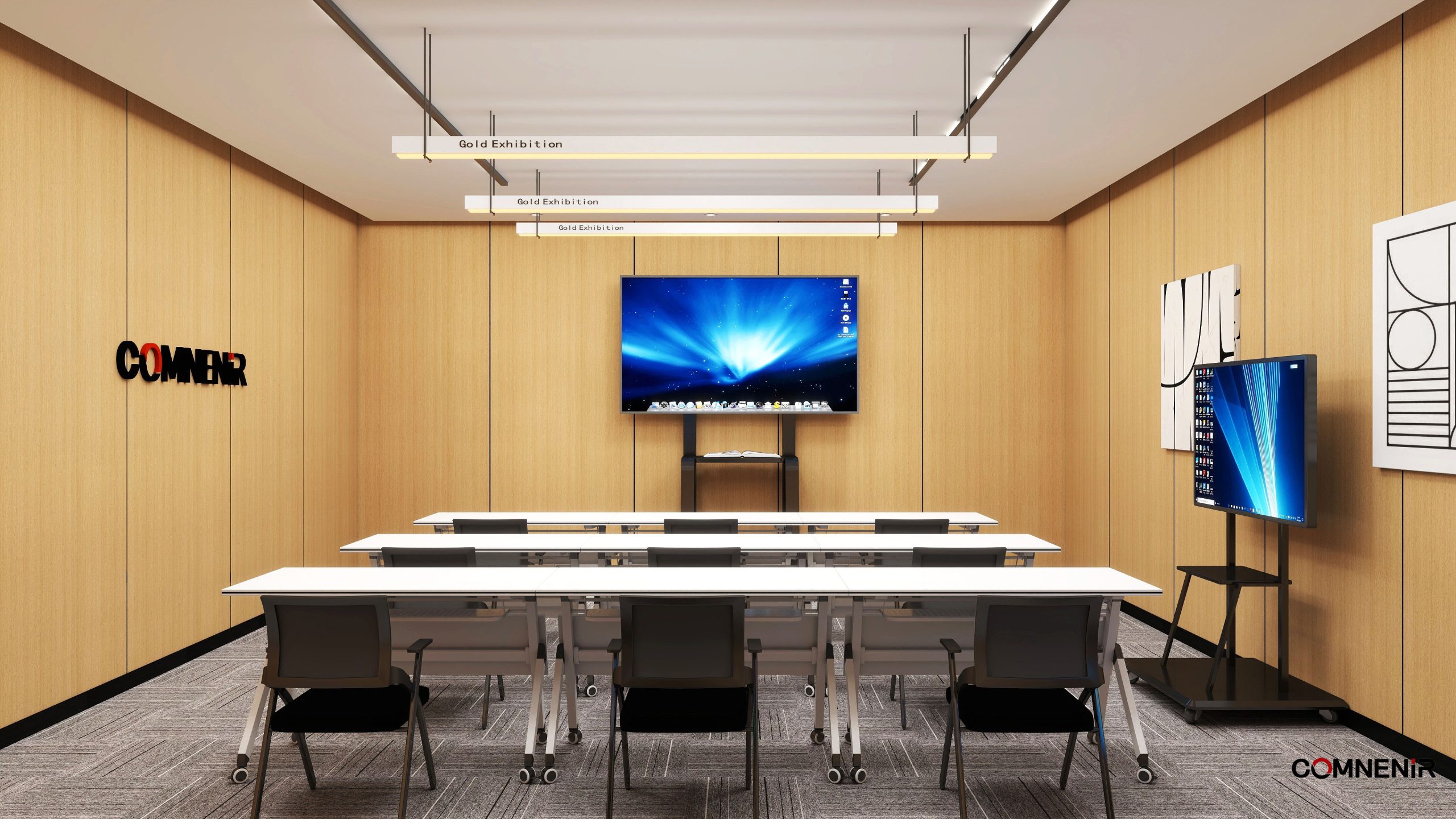
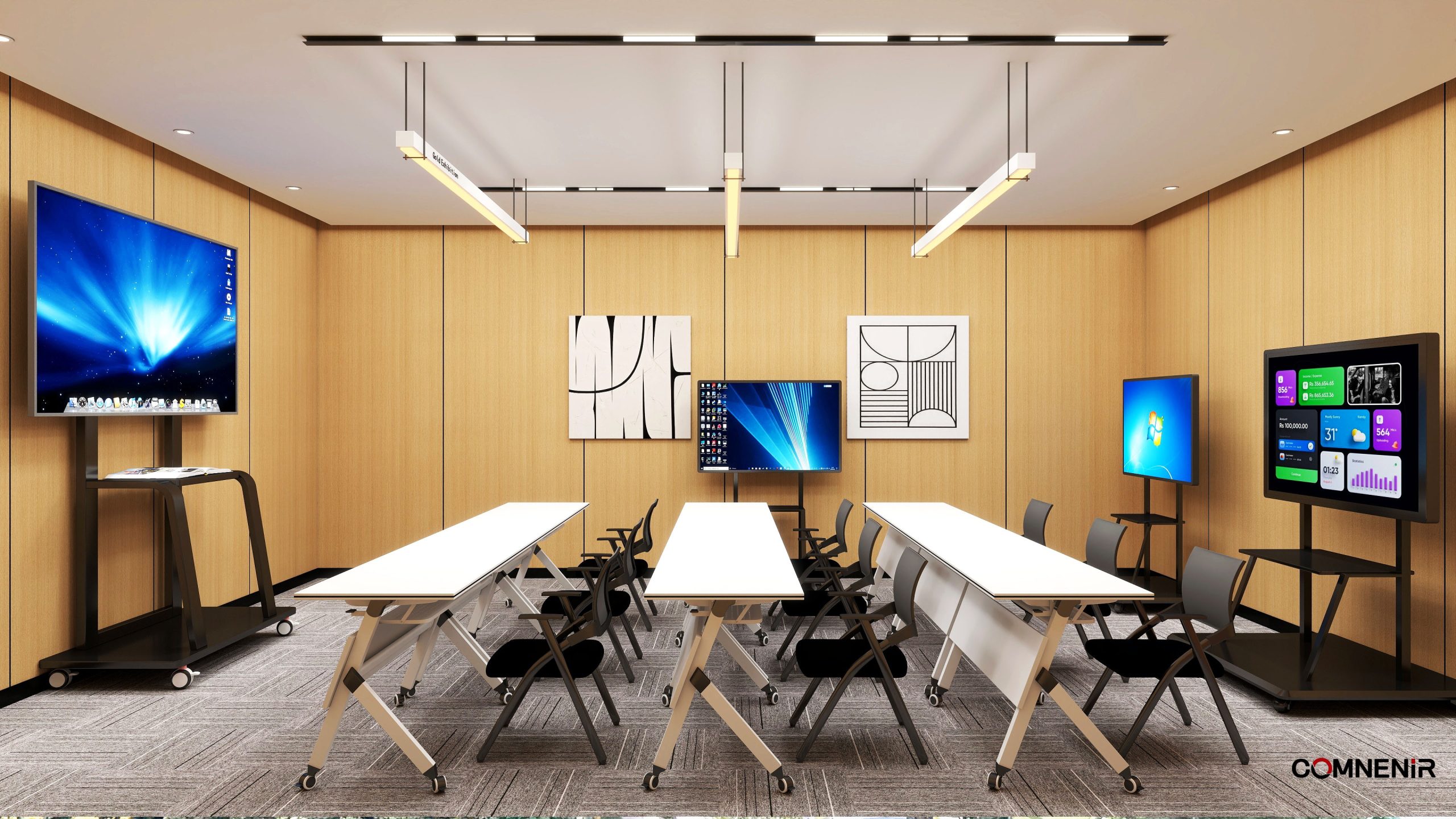
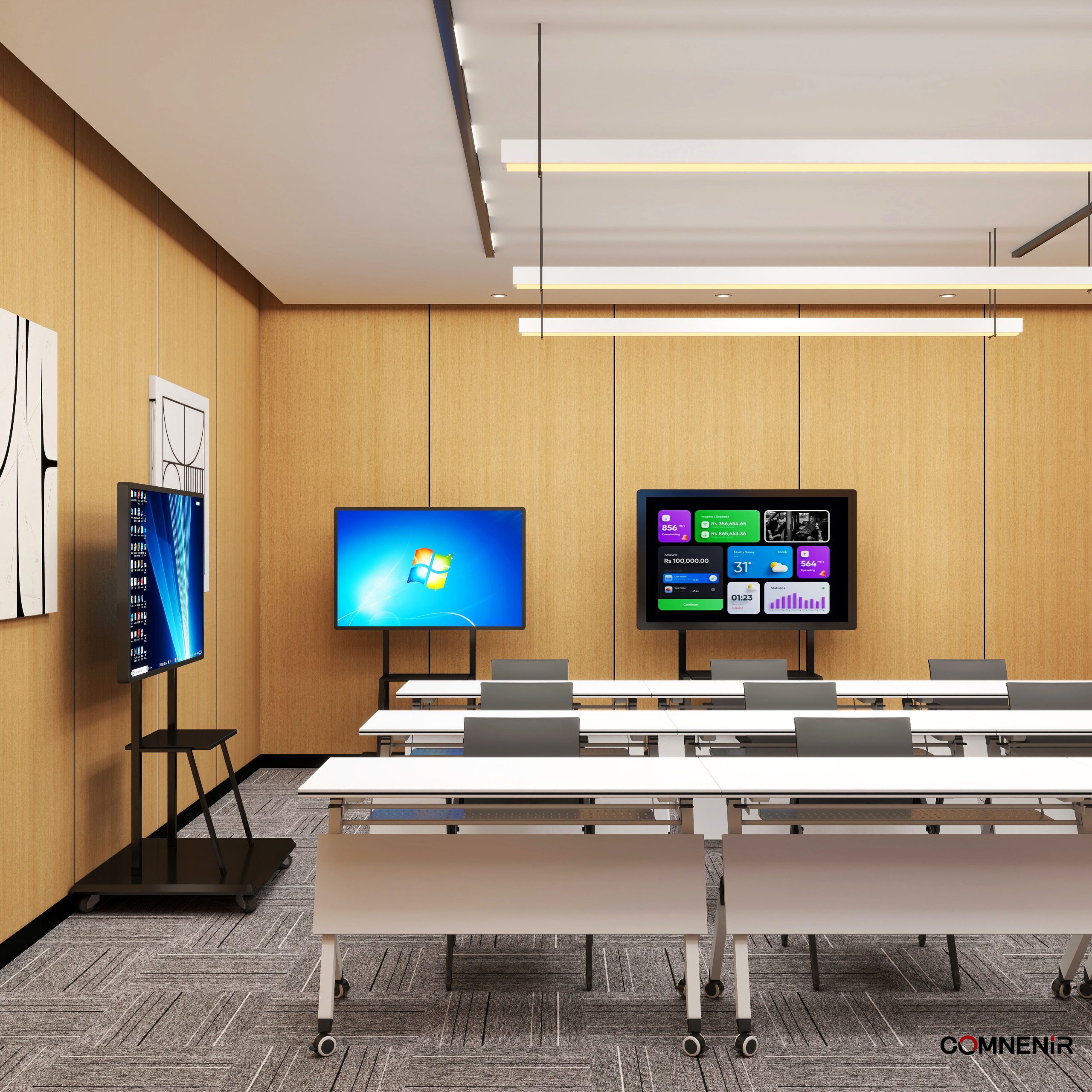
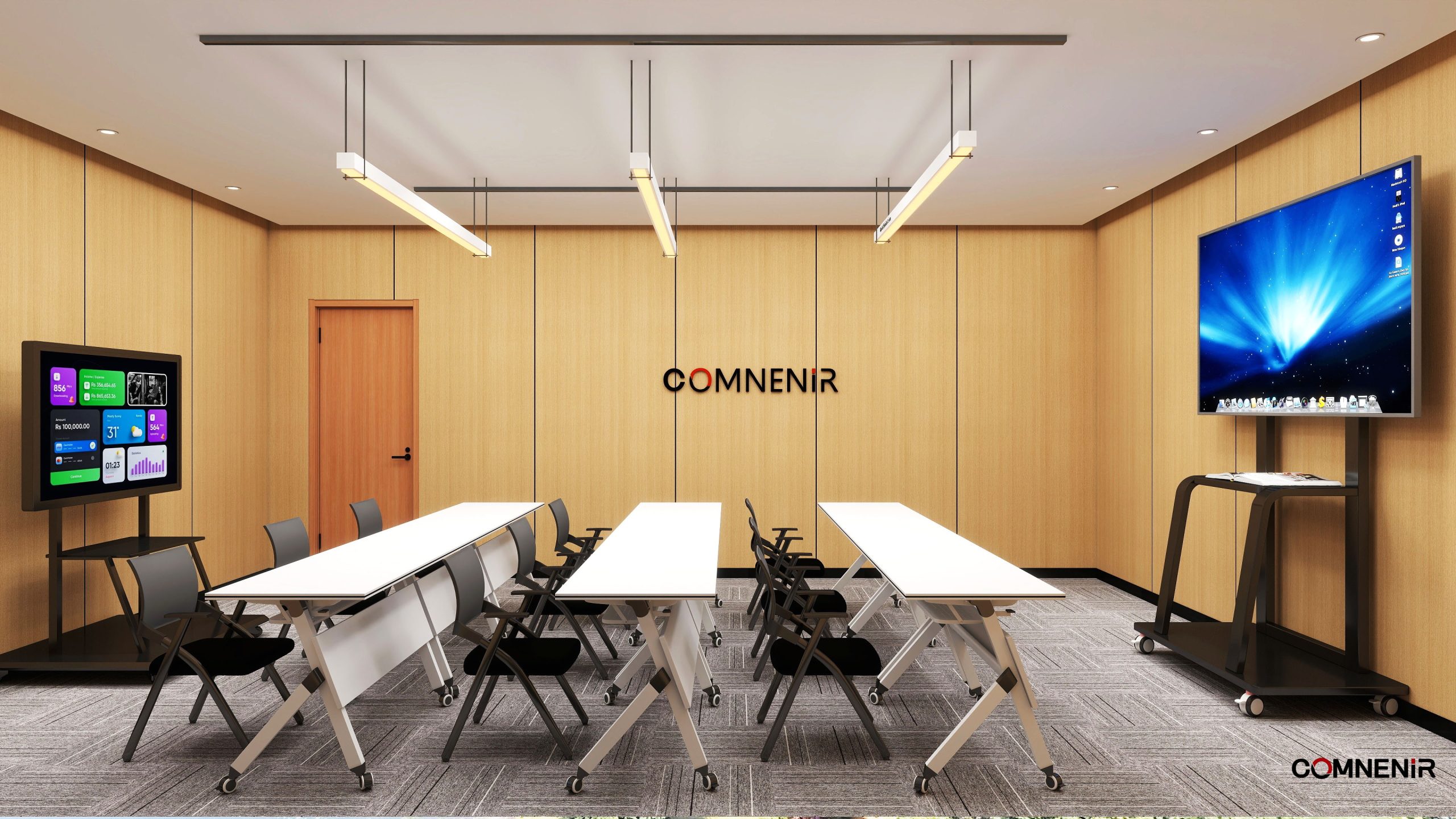
In educational settings, multimedia integrated systems are transforming the way teachers deliver lessons and engage with students. These systems often consist of large interactive screens, projectors, touch panels, and sound systems, all connected to a central control unit. The primary benefit of using multimedia systems in classrooms is their ability to make learning more interactive and visually stimulating.
Enhanced Learning Experience
Multimedia systems allow educators to integrate various types of media such as images, videos, animations, and real-time internet content into lessons. This makes the learning experience more engaging and helps students better understand complex topics. For example, a history teacher can show a documentary about a historical event, while a biology teacher can display animated diagrams of the human body to demonstrate how organs work.
Interactive Learning
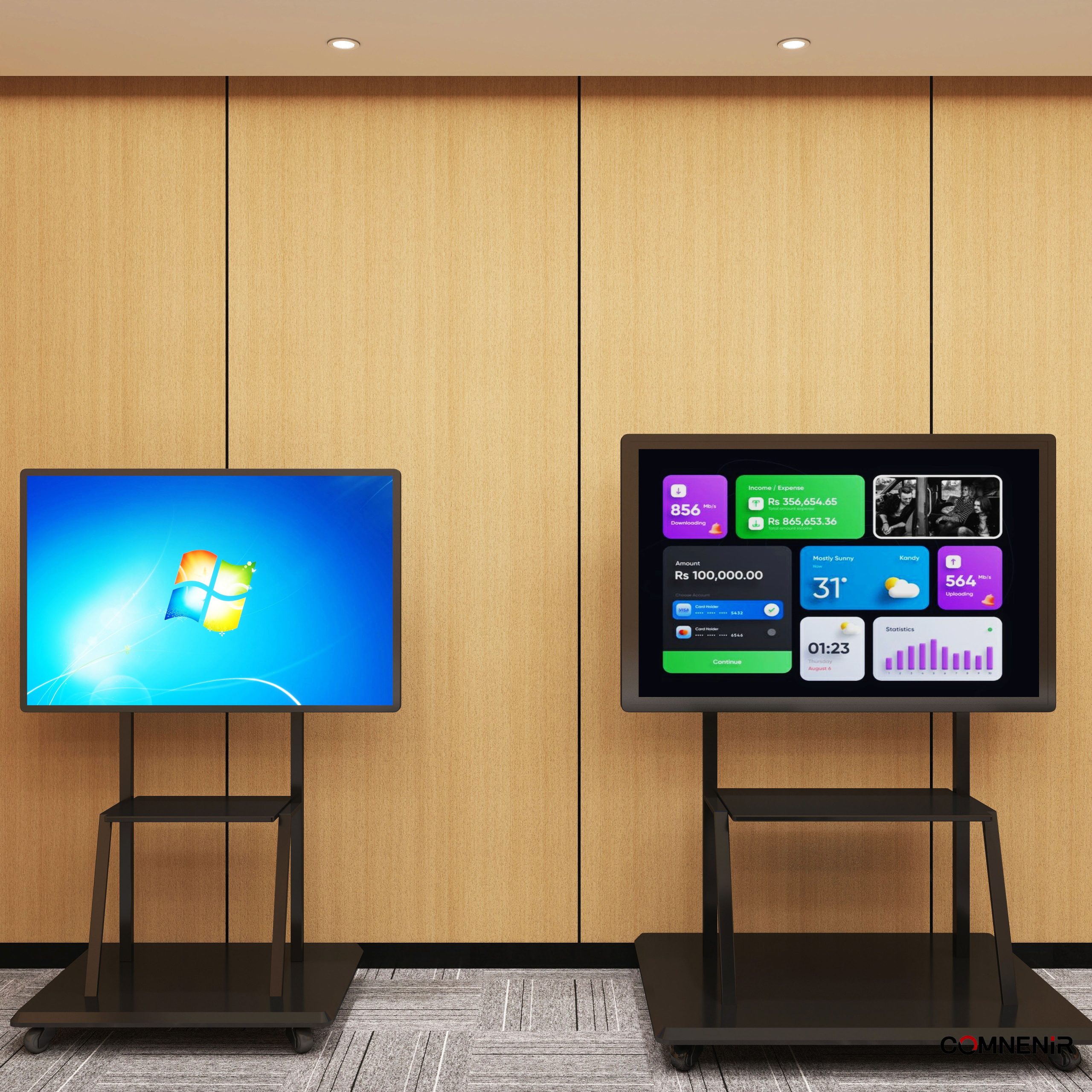
Many multimedia systems include features that allow students to interact directly with the content. Interactive whiteboards or touch-screen panels encourage student participation and collaboration. This can be particularly effective in subjects like mathematics or science, where students can solve problems or perform experiments interactively.Remote Learning Integration
With the rise of online and hybrid learning environments, multimedia systems in schools can be integrated with remote learning platforms. This allows for seamless communication between teachers and students, even when they are not physically present in the classroom. Live streaming, virtual classrooms, and real-time interactions are possible through these systems, ensuring that all students have access to the same resources and educational tools.
Multimedia Systems in Commercial Spaces
In commercial spaces such as offices, retail environments, and corporate meeting rooms, multimedia integrated systems play a crucial role in improving communication, enhancing customer experience, and increasing overall productivity.
Effective Communication and Presentations
In business environments, multimedia systems are often used for meetings, conferences, and presentations. With high-definition projectors and large screens, presentations are more impactful, helping businesses convey their messages more effectively to clients or internal teams. Furthermore, the ability to integrate video calls, live streaming, and multimedia content in meetings makes these systems highly versatile and useful in a corporate setting.Customer Engagement in Retail
Retailers are increasingly using multimedia systems to enhance the in-store experience for customers. Digital signage displays, interactive kiosks, and video walls are commonly found in shopping malls, stores, and showrooms. These systems can be used to advertise products, provide directions, or offer personalized shopping experiences through interactive touchscreens. This not only boosts sales but also creates a more immersive and engaging shopping environment.Branding and Advertising
Commercial spaces, particularly those in the hospitality and service industries, often use multimedia systems as part of their branding and marketing strategies. Digital signage and large-scale video displays are used to promote products, services, or events, often in high-traffic areas like airports, malls, and hotels. These systems provide an effective way to communicate with potential customers, create brand awareness, and drive engagement.Productivity in Workspaces
In offices, multimedia systems contribute to productivity by facilitating smoother communication and collaboration. Conference rooms equipped with integrated audio-visual systems allow for efficient video conferencing, remote collaboration, and presentation sharing. These systems enable teams to connect seamlessly, regardless of their physical location, and work more efficiently.
Conclusion
Multimedia integrated systems have significantly improved both school and commercial environments by creating more dynamic and interactive spaces. In schools, these systems enhance the learning experience and foster student engagement, while in commercial spaces, they contribute to better communication, customer engagement, and productivity. As technology continues to advance, the potential applications of multimedia systems will only grow, further transforming how we learn and work in these spaces.
By adopting multimedia systems, both educational institutions and businesses can unlock new opportunities for interaction, creativity, and innovation, ensuring that they stay ahead in an increasingly digital world.
 English
 Русский