
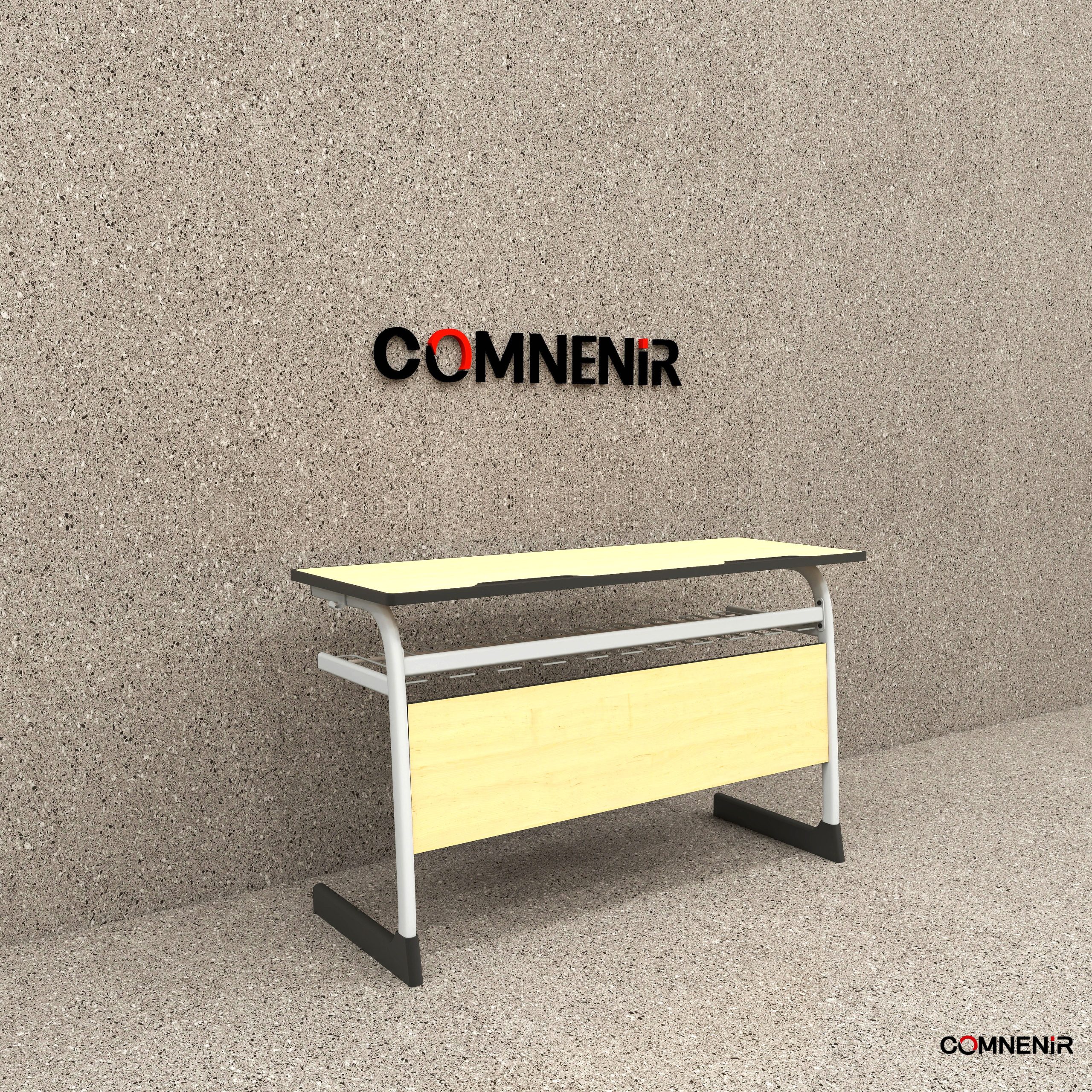
The Importance of Desks and Chairs in Libraries
Libraries have long been sanctuaries for students, researchers, and book lovers alike, providing a quiet environment conducive to learning and studying. However, the comfort and functionality of the furniture within these spaces are often overlooked, yet they play a vital role in ensuring a productive and comfortable experience. Desks and chairs are integral components of this setting, directly influencing the quality of work and study that can take place.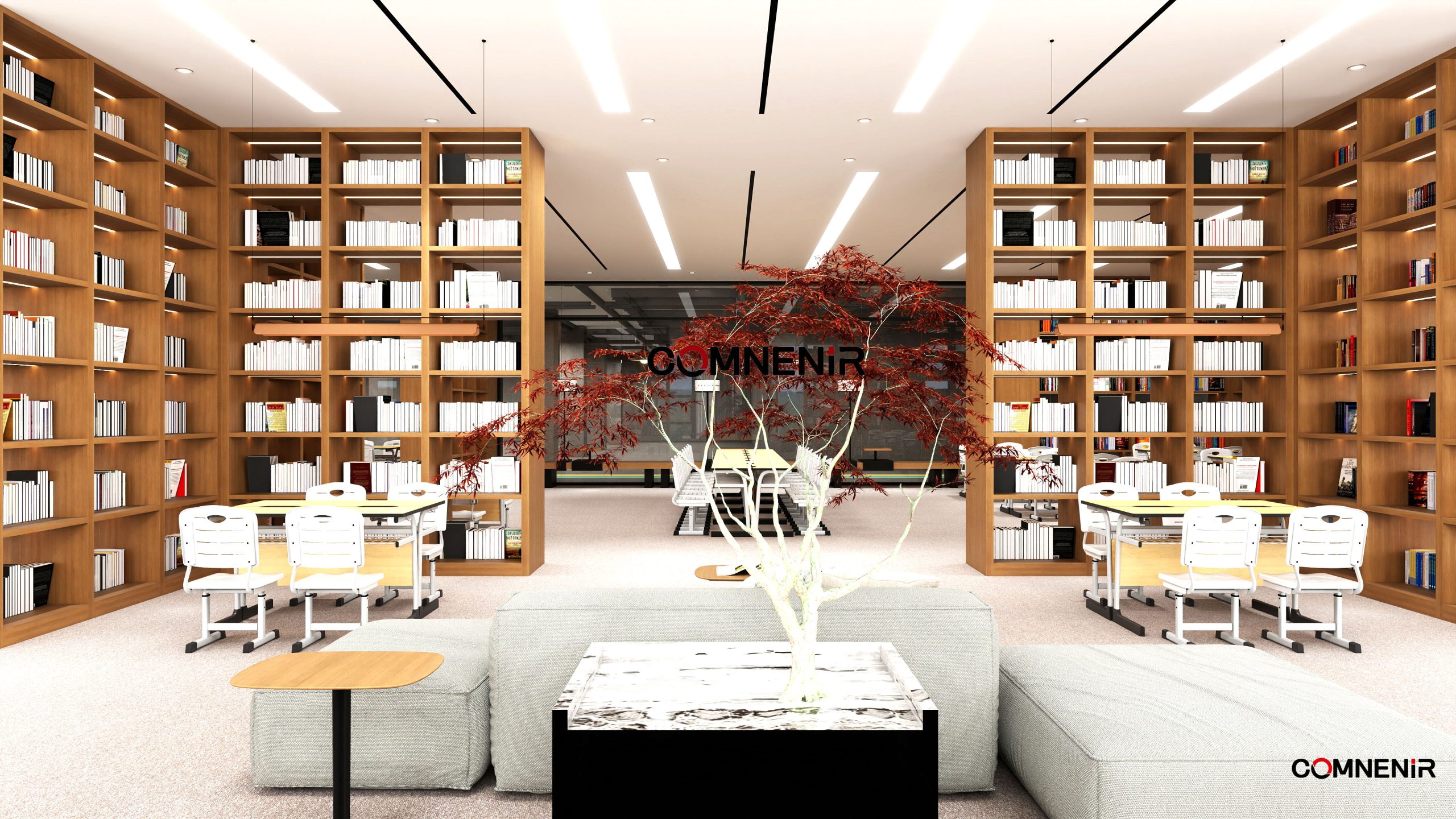
Comfort and Ergonomics
When selecting desks and chairs for libraries, comfort is a primary consideration. A student or researcher can spend several hours seated, absorbed in reading, writing, or studying. Without proper support, prolonged sitting can lead to discomfort, back pain, or even long-term physical issues. Ergonomic furniture that supports healthy posture is crucial for promoting comfort and reducing the risk of strain injuries. Adjustable desks and chairs allow users to customize their setup, catering to different body types and study habits.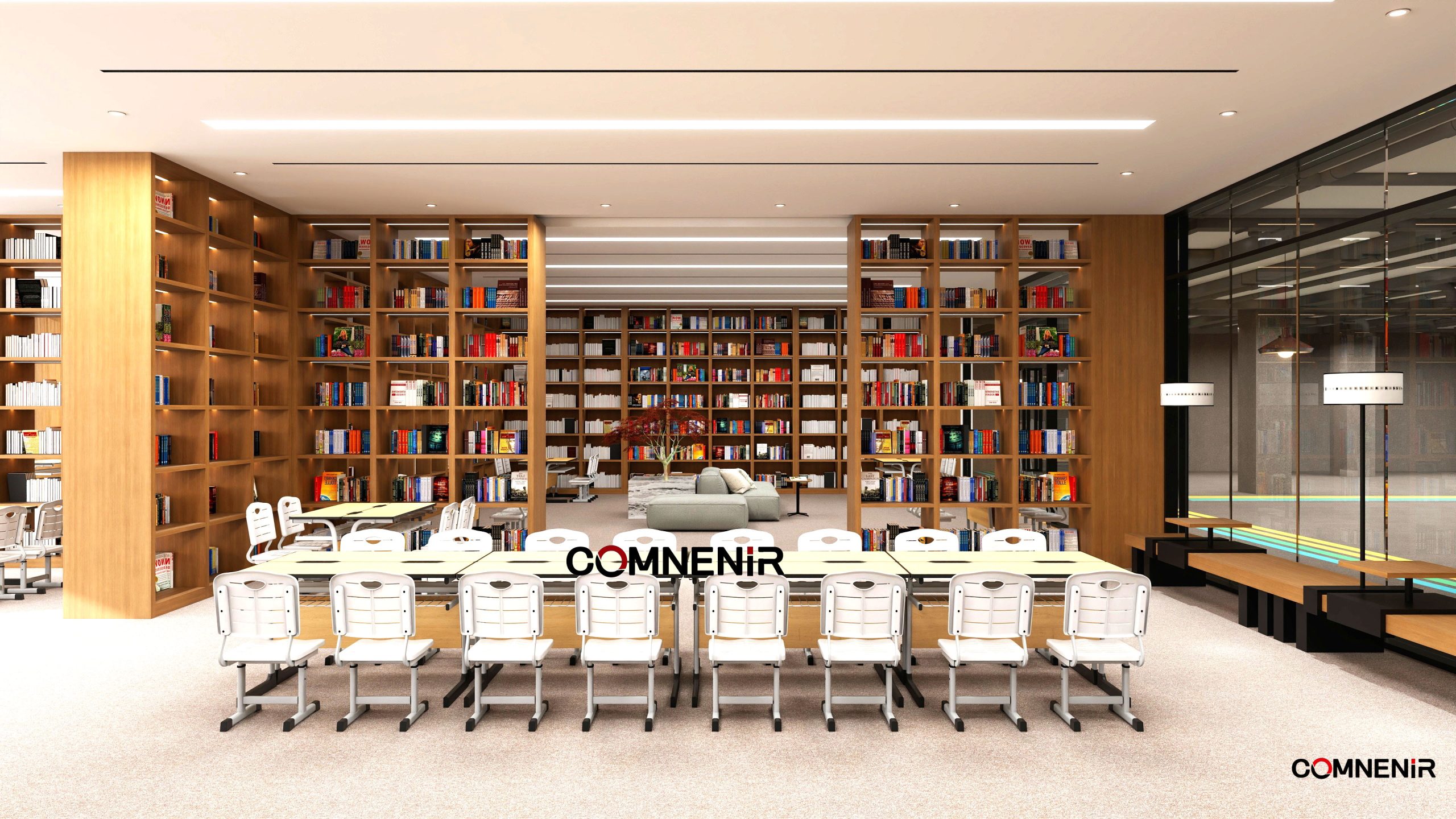
Space Efficiency
Libraries are often tasked with managing space effectively, as they need to accommodate a large number of users in sometimes limited areas. The design of desks and chairs plays an important role in how space is utilized. For instance, modular desks and stackable chairs can be rearranged to create flexible study zones, allowing the library to cater to both individuals and group study sessions. Additionally, furniture that is easy to move and adjust enables libraries to adapt to the ever-changing needs of their visitors.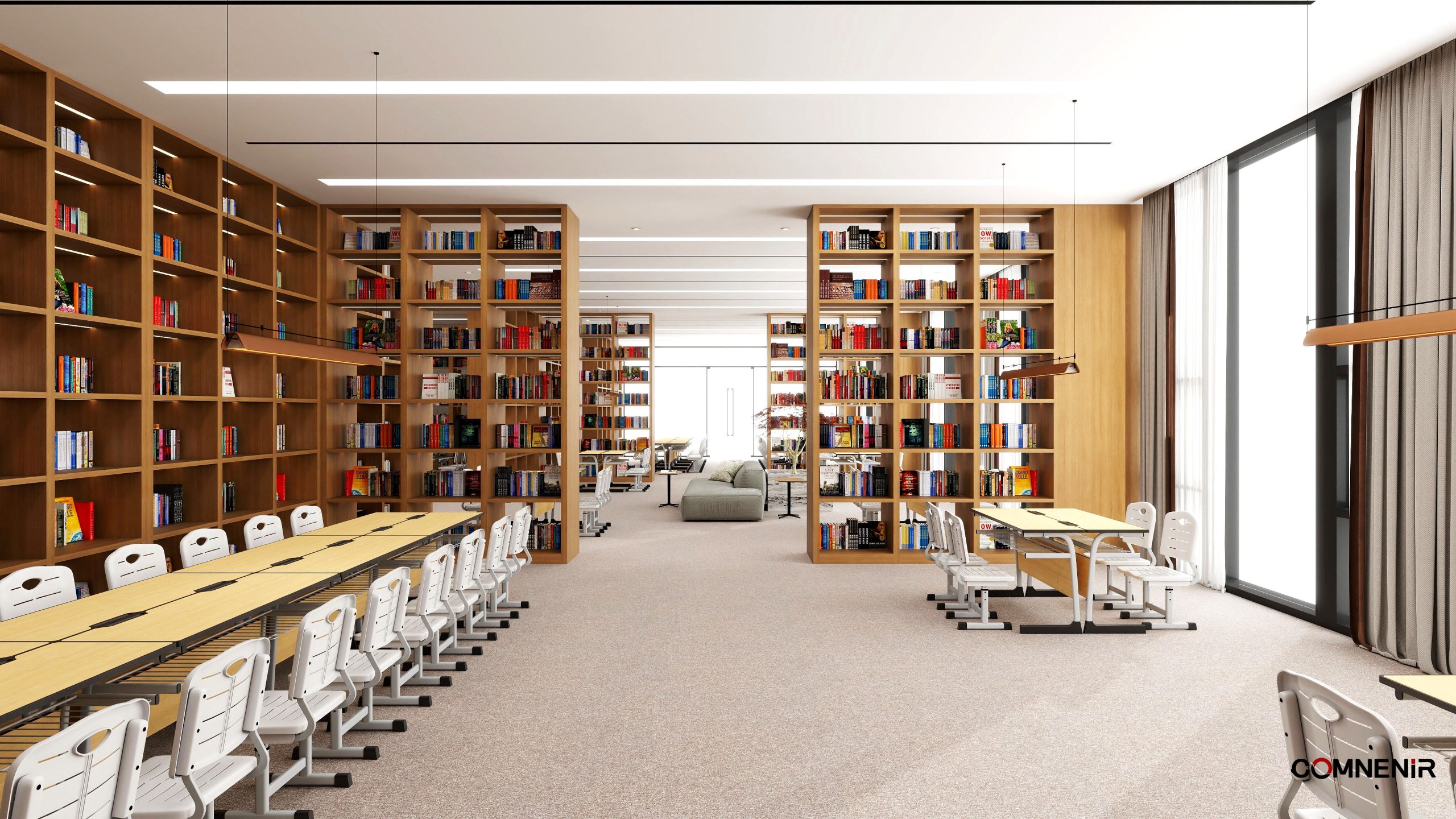
Aesthetic and Ambience
The design of desks and chairs also contributes to the overall atmosphere of the library. Furniture that is sleek, modern, and visually appealing can enhance the aesthetic appeal of the space, making it a more inviting place to spend time. Libraries are not just places of academic work—they are also community spaces that foster a sense of calm and focus. Furniture that complements the library’s interior design, lighting, and layout can help create an environment that is both functional and pleasant to be in.
Collaborative and Solo Workspaces
Different types of workspaces are required for different purposes. While some individuals may need a quiet corner with a single desk and chair to focus on reading, others might prefer collaborative work settings with larger tables and ergonomic seating arrangements. Desks and chairs designed for group work must accommodate multiple people, with enough space for laptops, books, and papers. Library furniture should be flexible enough to cater to both solo study and group collaboration, providing a versatile environment for various learning needs.
Sustainability and Durability
Finally, the sustainability and durability of library furniture are important factors to consider. Desks and chairs in libraries experience heavy use over long periods, which means they must be built to last. Choosing materials that are not only strong and durable but also environmentally friendly is an investment in the library’s future. Sustainable furniture can reduce waste and contribute to the library’s commitment to eco-friendly practices.
Conclusion
Desks and chairs may seem like basic elements in a library, but their impact is far-reaching. By providing comfortable, ergonomic, and aesthetically pleasing furniture, libraries can ensure that their visitors are able to work and study efficiently. Well-designed furniture also enhances the atmosphere of the library, making it a space where people want to spend time. As libraries continue to evolve, the importance of quality, adaptable, and sustainable furniture will remain central to their success in serving the needs of the community.


 English
 Русский